Home / Where to Stay in Seoul for Shopping

Seoul Stay Guide

Where to Stay in Seoul for Shopping

Myeongdong is the easiest all-round base for a first Seoul shopping trip, especially when K-beauty, familiar stores and central sightseeing are all part of the plan. Hongdae is better for young fashion and active evenings, while Gangnam makes more sense when department stores and premium shopping are the main reason for the trip.

Dongdaemun, Seongsu and Jamsil are more specialized choices. They become stronger places to stay when late-night fashion, pop-ups and local brands, or large indoor malls matter enough to shape several days of the itinerary.

For shopping trips, the hotel location matters after the purchase too. A simple route back with heavy bags, somewhere to leave luggage during the day and an easy airport journey can be just as useful as being close to the stores themselves.

Shopping stay answer

The easiest shopping bases to understand

Myeongdong is the simplest first choice when K-beauty, tourist-friendly shopping and central sightseeing need to fit into the same trip. Hongdae works better when fashion, character goods, cafés and nightlife matter, while Gangnam is the stronger base for department stores, COEX and premium shopping.

Dongdaemun is useful when late fashion shopping is a major part of the itinerary, Seongsu suits travelers planning several pop-ups and local-brand stops, and Jamsil works well when large indoor malls and family-friendly shopping matter more than being in historic central Seoul.
Shopping stay essentials

What matters when shopping is a big part of the trip

What you plan to buy

The best shopping base depends first on what will actually fill the bags. K-beauty points naturally toward Myeongdong, younger fashion and small goods toward Hongdae, premium brands toward Gangnam, while pop-ups and newer Korean labels give Seongsu a different kind of appeal.

Getting shopping bags back to the hotel

A shopping district feels very different after several hours on foot with heavy bags. Being able to return to the hotel easily, leave purchases in the room and go back out again can matter more than saving a few minutes on the first subway ride of the day.

Airport access and luggage

Shopping trips often end with more luggage than they started with. Direct rail, airport buses, elevators and the final hotel approach become much more important when suitcases are already full on departure day.

Shopping hours

Seoul shopping does not follow one timetable. Department stores, street shops, malls, markets and pop-ups can all keep different hours, and some neighborhoods remain useful much later into the evening than others.

Crossing the city

Trying to combine Myeongdong, Seongsu, Gangnam and Hongdae in one day can turn shopping into a transport schedule. A better base is often the one that keeps the most important shopping days on one side of the city.

The hotel itself still matters

A perfect shopping neighborhood does not compensate for a difficult hotel route, no luggage storage or a room that is awkward for two open suitcases. Location and room practicality work together on a shopping-heavy trip.

At a glance

Compare Seoul Shopping Areas at a Glance

Use the table to eliminate poor fits, then read the area details before choosing a hotel.

Area Works well for Budget tendency Airport access Evening shopping Main trade-off
Myeongdong K-beauty and first visits Mid-range Good by bus; rail needs a transfer Some streets remain active late Tourist crowds and busy streets
Gangnam Department stores and premium brands Mid-range to high Longer from Incheon Department stores and premium shopping Large district and northbound travel
Hongdae Young fashion, goods and vintage Budget to mid-range Direct AREX Young fashion and active evenings Weekend crowds and nightlife noise
Dongdaemun Fashion malls and late shopping Budget to mid-range Usually a transfer Fashion shopping continues late Retail and wholesale access varies
Seongsu Pop-ups and local designer brands Mid-range Multiple transfers Pop-ups come and go Weak as an all-Seoul base
Jamsil Large malls and family shopping Mid-range to high Longer from Incheon Large indoor malls Farther from northern sights

Area-by-area guide

Compare the Best Areas for Shopping in Seoul

The hotel district should shorten the shopping day you will repeat most often. Each row separates the shopping strength from the transport and luggage trade-off.

Myeongdong

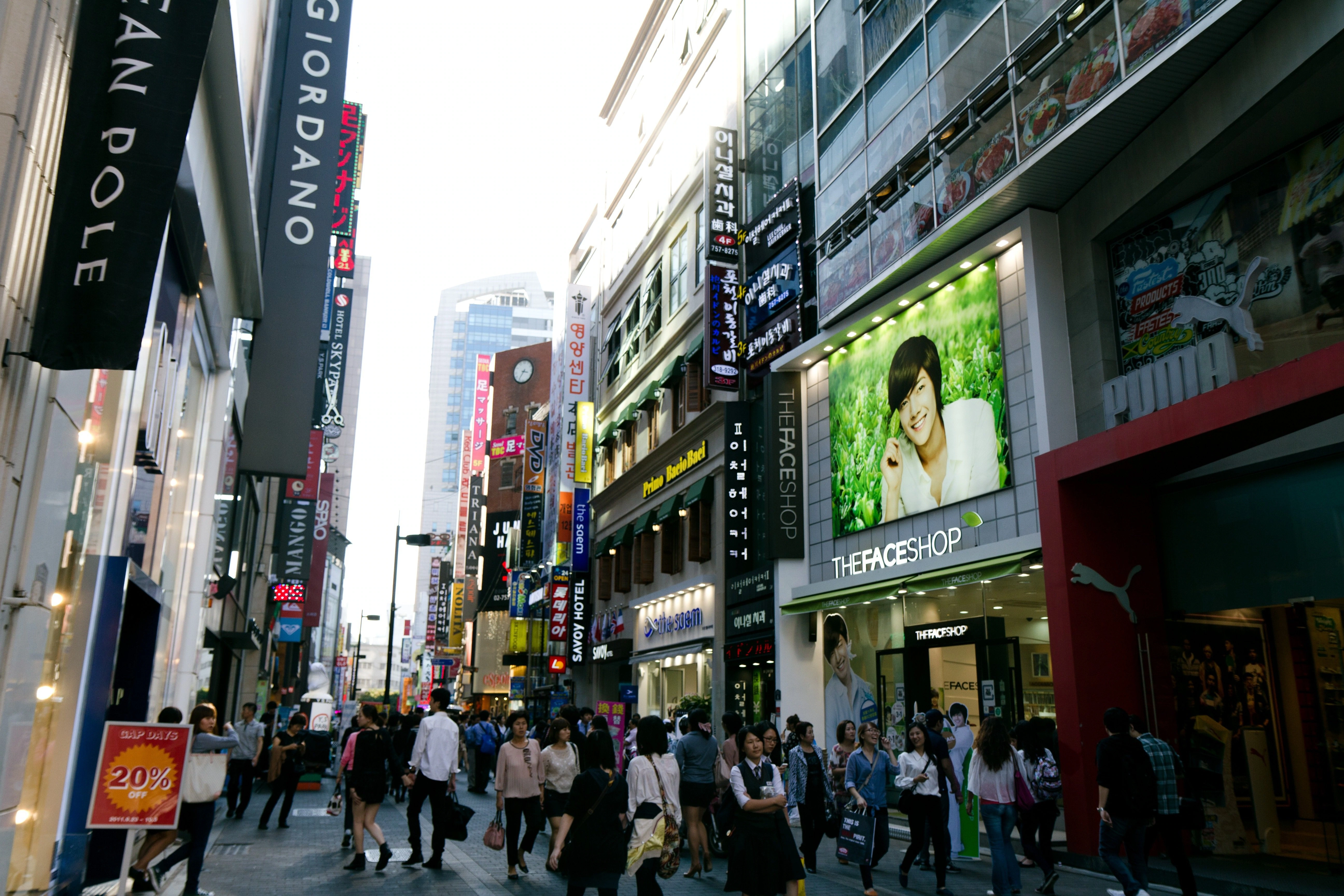
Myeongdong shopping street in Seoul

Myeongdong remains the easiest all-round shopping base for many first-time visitors. K-beauty stores, fashion, cosmetics and familiar tourist-oriented shops are concentrated in a relatively compact area, while central sightseeing and food are easy to combine with shopping during the same day.

It is also convenient when bags begin to accumulate. A centrally located hotel makes it easier to drop purchases off before dinner or another round of shopping instead of carrying everything across Seoul. Line 4 and nearby Euljiro connections also make other districts reasonably easy to reach.

The main trade-off is atmosphere and price. Myeongdong is busy and strongly visitor-oriented, and some streets remain active late enough that the exact hotel block and room direction can matter for sleep.

Gangnam

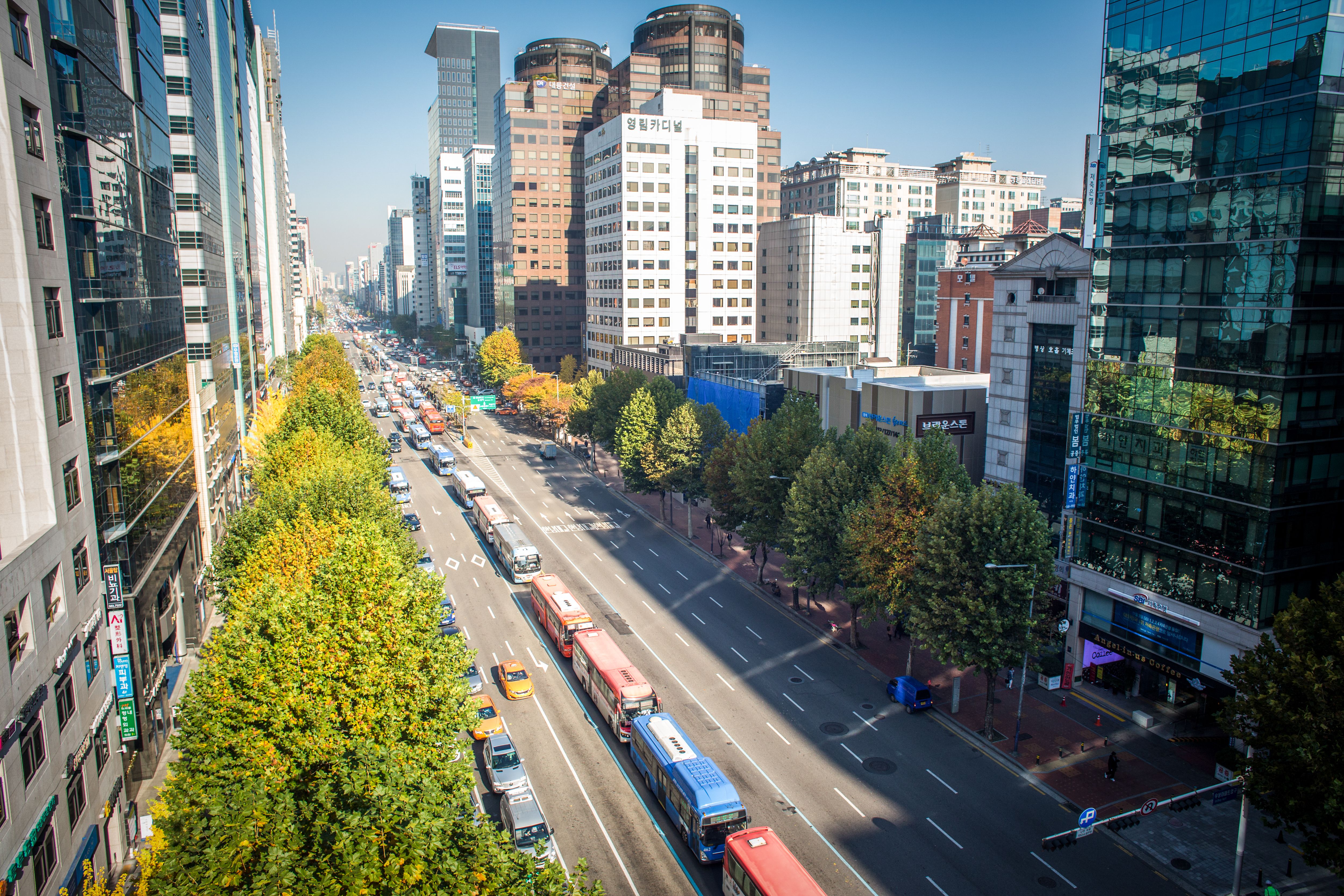
Street near Gangnam Station in Seoul
Photo: Korea Tourism Organization / Live Studio (Kim Hak-ri)

Gangnam works best when premium shopping is already a major part of the itinerary, but it helps to remember that “Gangnam shopping” is not one compact neighborhood. Samseong and COEX suit large malls and department-store shopping, while Apgujeong and Cheongdam lead toward luxury brands, fashion and a more spread-out street-shopping experience.

Staying in Gangnam makes sense when several shopping days are already south of the Han River. It is less efficient when most sightseeing happens around palaces, Myeongdong and historic central Seoul, because repeated cross-city journeys can become tiring.

Airport travel is also less direct than Hongdae or Gongdeok. On a shopping-heavy trip, that matters most on departure day when suitcases are likely to be heavier than they were on arrival.

Hongdae

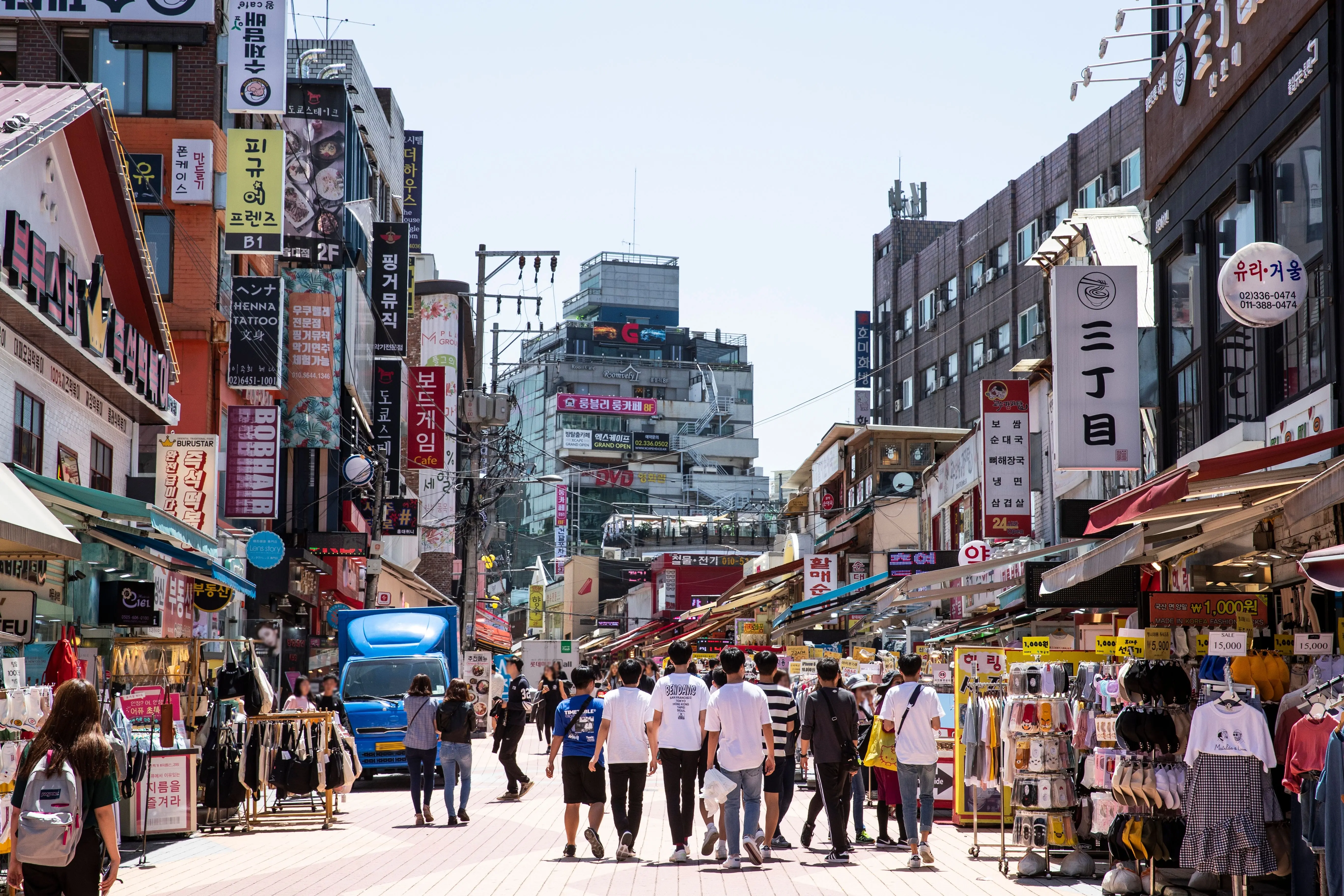
Busy shopping street in Hongdae, Seoul
Photo: Korea Tourism Organization / Lee Beom-su

Hongdae suits travelers whose shopping day continues naturally into cafés, restaurants and nightlife. Young fashion, accessories, character goods, small lifestyle shops and vintage shopping are easy to combine without leaving the neighborhood.

Hongik University Station also has direct all-stop AREX service, which is useful when shopping adds weight to the luggage. The station itself is large, so the actual hotel route matters more than the distance shown on a booking map.

The busiest streets can remain noisy late. Hotels a little away from the main nightlife blocks often keep the same shopping and transport advantages while making evenings calmer.

Dongdaemun

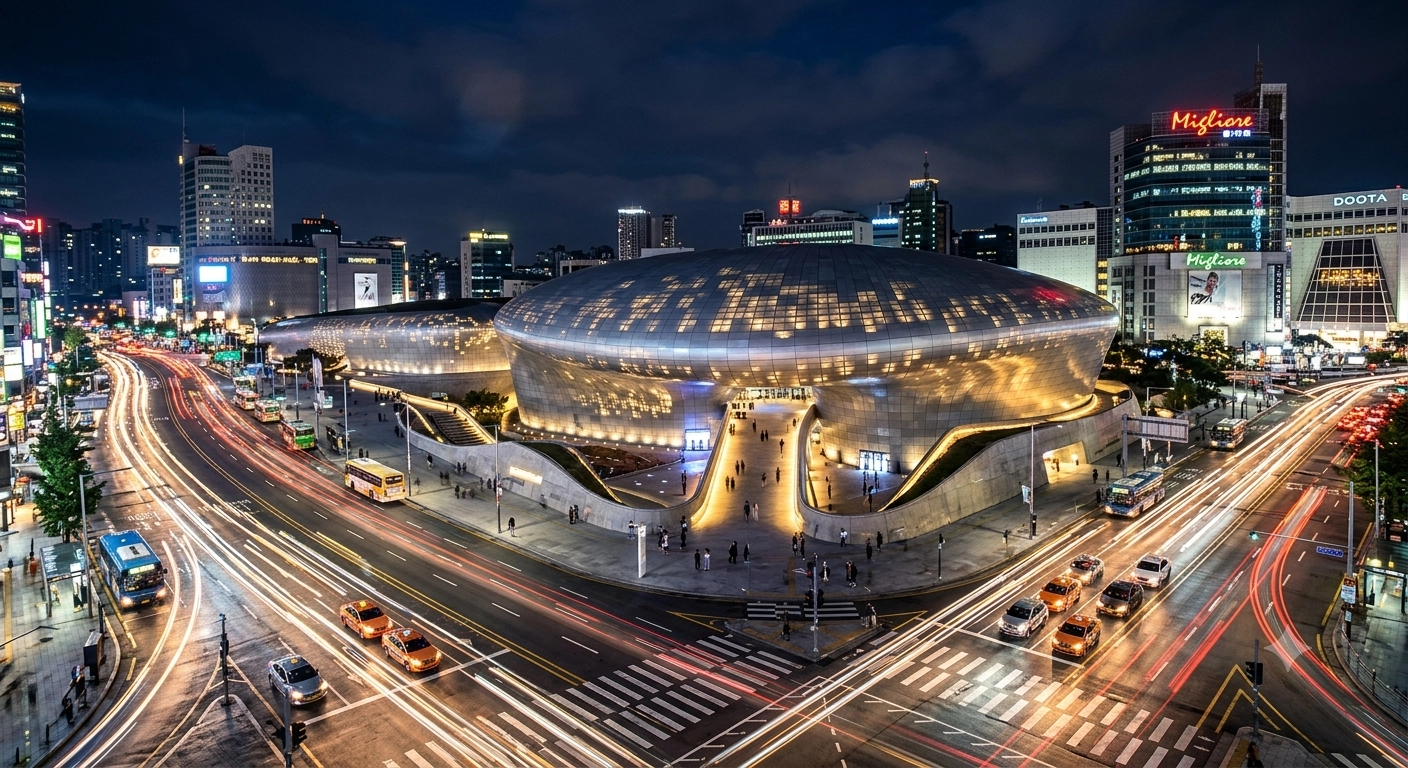
Dongdaemun Design Plaza (DDP) at night in Seoul

Dongdaemun becomes a stronger place to stay when fashion shopping continues late into the evening and more than one visit is planned. The district has large fashion complexes, retail shopping and a different rhythm from Seoul's daytime shopping neighborhoods.

Not every building serves the same kind of shopper. Some are easier for ordinary visitors, while others are more closely associated with wholesale, quantity buying or trade-oriented shopping. Opening hours can also vary significantly by building and day.

For travelers planning only one Dongdaemun evening, staying centrally and visiting from another neighborhood may be easier. The area becomes more convincing as a hotel base when late fashion shopping is genuinely one of the main reasons for the trip.

Seongsu

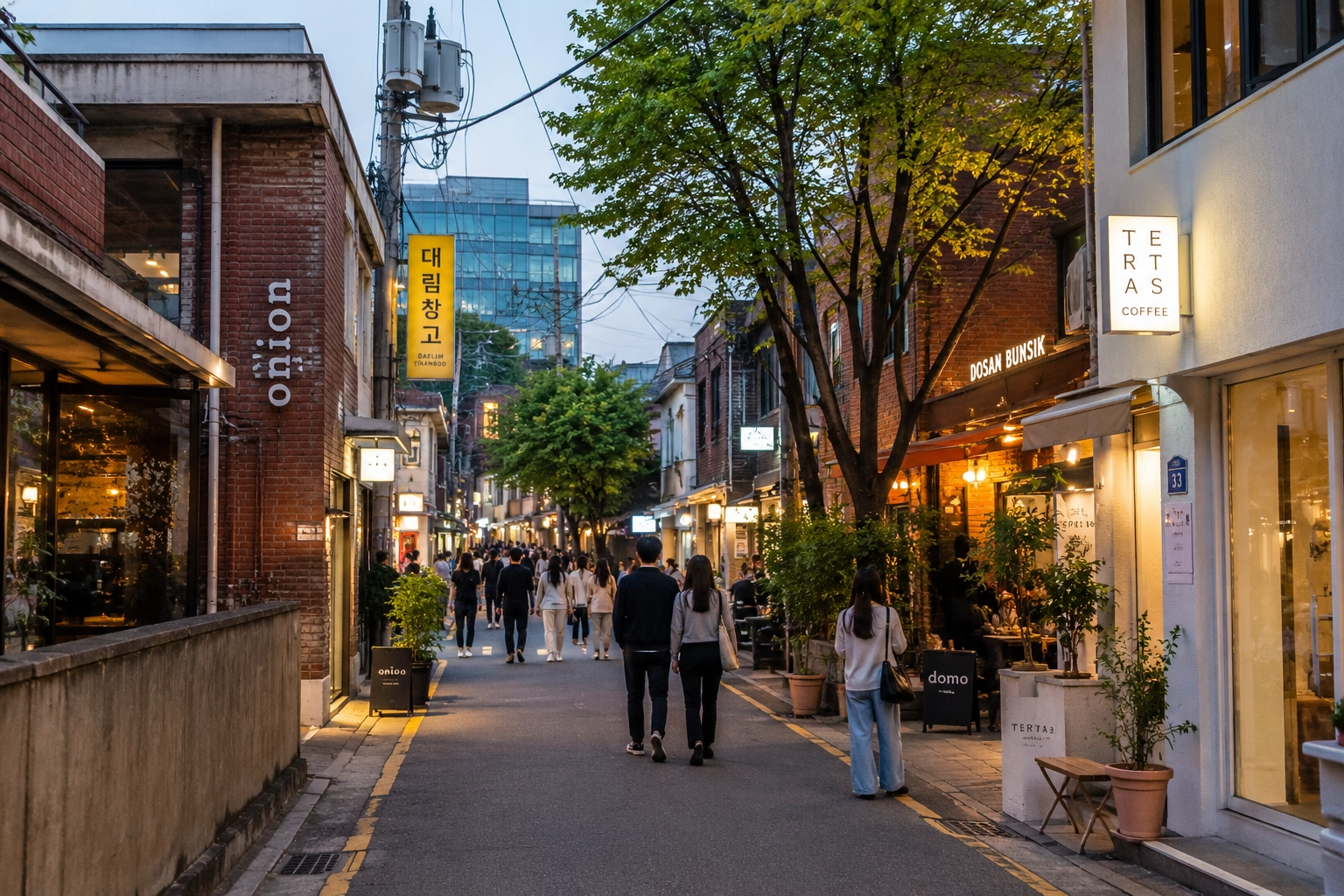
Seongsu cafe alley in Seoul

Seongsu is a different kind of shopping district. Pop-ups, local designer labels, select shops, cafés and temporary brand events make the neighborhood appealing when discovering newer Korean fashion and lifestyle brands is part of the trip.

The experience changes quickly because pop-ups come and go. That makes Seongsu especially good for an afternoon or a dedicated shopping day, but not automatically the best hotel base for a first Seoul trip.

If several Seongsu visits are already planned, staying nearby can be enjoyable. If the itinerary includes only one afternoon here, a more central or better-connected base usually gives the rest of the trip greater flexibility.

Jamsil

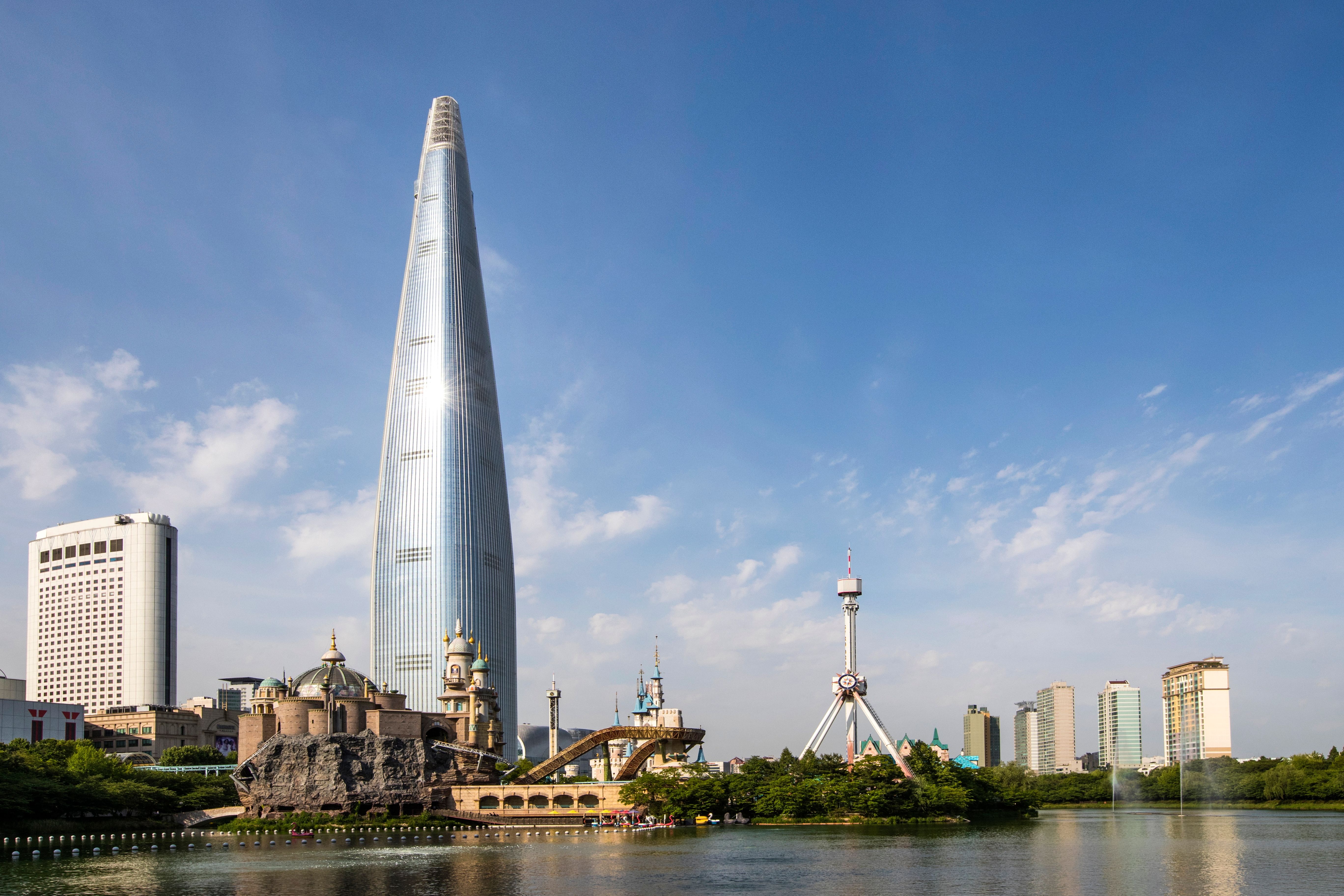
Seokchon Lake and Lotte World Tower in Jamsil, Seoul

Jamsil is useful when shopping needs to be easy, indoors and combined with other family-friendly activities. Large malls, department-store shopping, Seoul Sky, Lotte World and Seokchon Lake can all fit into the same part of the city.

That makes Jamsil particularly practical in bad weather or when the group prefers spending most of the day inside one large complex instead of moving between smaller shopping streets.

The trade-off is distance from many historic central sights. Jamsil is a stronger hotel base when southeastern Seoul already plays a large role in the itinerary rather than when shopping here is limited to one mall visit.

Realistic shopping days

How to group shopping days without carrying bags across Seoul

K-beauty and first-time shopping

Myeongdong works naturally as the center of a K-beauty shopping day because cosmetics, tourist-friendly stores, food and central sightseeing sit close together. Travelers who stay nearby can also leave purchases at the hotel before continuing into the evening.

Department stores and premium shopping

A premium shopping day works better when Gangnam is treated as several separate clusters rather than one walkable district. COEX and Samseong fit one kind of day, while Apgujeong and Cheongdam make more sense as another.

Local fashion, pop-ups and newer brands

Hongdae and Seongsu both suit fashion-focused travelers, but they create very different days. Hongdae mixes shopping with nightlife and casual street activity, while Seongsu is better for cafés, pop-ups and newer Korean brands during the day.

Late fashion shopping

Dongdaemun is the obvious place to build around a later shopping schedule. The useful approach is to know which building actually matches the kind of shopping planned, because visitor retail, wholesale-oriented spaces and opening hours are not identical across the district.

Before you book

What to know before booking a shopping-focused Seoul hotel

  1. 1. The real walk from the shopping street

    A hotel can look close on a map and still involve a large intersection, underground passage, stairs or several long blocks. That distance feels very different when both hands are already carrying shopping bags.

  2. 2. Subway exit

    The correct subway exit matters more than the station name alone. Seoul's largest stations can place exits surprisingly far apart.

  3. 3. The bag-return route

    A hotel becomes much more useful on shopping days when purchases can be dropped off without turning the return into another long journey across the city.

  4. 4. Luggage storage

    Storage before check-in or after check-out is particularly useful on shopping trips, when the first or final day may still include several hours of buying before the airport.

  5. 5. Elevator access

    Elevators matter both inside the hotel and along the station route. Heavy luggage on departure day makes every unnecessary flight of stairs more noticeable.

  6. 6. Airport transfer

    A simple airport connection can become more valuable after several days of shopping. Direct rail is useful in some neighborhoods, while a bus or taxi may be easier for others depending on the actual hotel.

  7. 7. Taxi pickup

    Large malls and busy shopping streets do not always make taxi pickup simple. A hotel entrance on a clear main road can be useful when returning late with bags.

  8. 8. The next day's route

    The strongest shopping base is rarely the one closest to only one store. It works better when the following day's plans are also reasonably easy from the same hotel.

  9. 9. Tax refund conditions

    Tax-refund eligibility, purchase requirements and refund procedures can change by store and current rules. Receipts and passport requirements are worth understanding when refunds are an important part of the shopping budget.

  10. 10. Receipts

    Keeping receipts organized makes exchanges, warranty questions and possible tax-refund procedures much easier after several days of shopping.

  11. 11. Pop-up crowds

    Popular pop-ups can attract queues or operate with timed entry. A Seongsu shopping day can therefore take much longer than the map distance between stores suggests.

  12. 12. Late shopping hours

    Late shopping is not the same in every district or building. Dongdaemun, malls and street shops all operate on different schedules, so the exact places matter more than the neighborhood reputation.

  13. 13. OTA final total

    Hotel prices become comparable only when room type, taxes, cancellation conditions and the final total are similar. The first price shown is not always the amount that represents the actual booking.

Common booking errors

Shopping stay mistakes that are easy to make in Seoul

  1. 1. Choosing an area only because it is famous. A famous shopping district is not automatically the right hotel base. The stores that matter, the rest of the itinerary and the route back with bags should all point in roughly the same direction.
  2. 2. Trying to shop in too many districts in one day. Myeongdong, Hongdae, Seongsu and Gangnam may look close on a city map, but moving between them can consume a large part of a shopping day.
  3. 3. Underestimating heavy bags. A simple subway journey feels very different after several hours of shopping. Hotel proximity becomes more valuable as the number of bags increases.
  4. 4. Ignoring the exact subway exit. A station name does not describe the final walk. Large stations can involve long underground routes before the correct exit is reached.
  5. 5. Staying in Seongsu for one afternoon. Seongsu can be an excellent shopping destination without needing to become the base for the entire trip. One pop-up afternoon is usually not enough reason to sacrifice easier airport or central access.
  6. 6. Treating every Dongdaemun building as ordinary retail. Dongdaemun includes different types of shopping, and not every building is aimed at casual individual visitors in the same way.
  7. 7. Treating Gangnam as one shopping street. COEX, Apgujeong and Cheongdam belong to the same broad part of Seoul but do not function as one compact shopping zone.
  8. 8. Assuming tax refunds work the same everywhere. Eligibility and procedures can vary. Refund expectations should follow the current rules and the actual store rather than a general assumption about shopping in Korea.
  9. 9. Forgetting luggage storage. A late flight can leave many hours between checkout and the airport. Luggage storage makes those final shopping hours much easier.
  10. 10. Comparing different OTA room conditions. A cheaper hotel listing may involve a different room, cancellation policy or payment condition. A useful comparison needs equivalent booking terms.

FAQ

Where to Stay in Seoul for Shopping: FAQ

What is the best area to stay in Seoul for shopping?

Myeongdong is the easiest all-round base for many first-time shopping trips. Hongdae is stronger for younger fashion and active evenings, while Gangnam makes more sense when department stores and premium shopping dominate the itinerary.

Is Myeongdong the best area for K-beauty shopping?

Myeongdong remains one of the simplest places to combine K-beauty shopping with central sightseeing and easy meals. Staying nearby also makes it convenient to leave purchases at the hotel during the day.

Where should I stay for luxury and department store shopping?

Gangnam is the natural area to consider, but the exact shopping cluster matters. COEX and Samseong offer a different experience from Apgujeong and Cheongdam, so the hotel should match the part of Gangnam that will actually be visited most.

Is Hongdae a good shopping base in Seoul?

Hongdae works particularly well for younger fashion, accessories, character goods, casual shopping and travelers who want cafés or nightlife after the stores. Direct all-stop AREX access is another practical advantage.

Is Dongdaemun convenient for late-night shopping?

Dongdaemun is useful when late fashion shopping is a major part of the trip. The district is less straightforward than a single mall, because different buildings serve different kinds of shoppers and may keep different hours.

Should a first-time visitor stay in Seongsu for shopping?

Seongsu suits travelers interested in pop-ups, local labels, design shops and newer Korean brands. It is a stronger hotel base when several Seongsu visits are planned rather than for one isolated afternoon.

Which hotel location is easiest with shopping bags and luggage?

The final hotel route matters more on shopping trips than it first appears. Elevators, a simple subway exit, luggage storage and the ability to leave bags at the hotel can make the day much easier.

What should I compare when booking the same hotel on different sites?

The useful comparison is the same or similar room under similar conditions. Taxes, cancellation rules, payment timing and the final total can differ even when the hotel name is identical.

Final conclusion

The easiest shopping base depends on what you plan to bring back

Myeongdong is still the simplest all-round choice for a first shopping trip, especially when K-beauty and central sightseeing are part of the same itinerary. Hongdae is better for younger fashion and active evenings, while Gangnam becomes stronger when premium shopping is the main priority.

Dongdaemun, Seongsu and Jamsil make more sense when their particular kind of shopping is important enough to shape several days. Whatever the area, the most useful hotel is the one that makes it easy to return with bags, handle luggage and move on to the next part of Seoul without turning shopping into a transport problem.