Home / Luxury Hotels in Seoul

Luxury Seoul Guide

Where to Stay in Seoul for Luxury Hotels

Gangnam works best when luxury shopping, fine dining, business or appointments already keep much of the trip south of the Han River. Jamsil offers a different kind of premium stay built around modern hotels, large indoor complexes and southeastern Seoul, while Myeongdong keeps a first visit more central and flexible.

Luxury in Seoul is not only about choosing the most expensive address. Seoul Station / Namdaemun can feel more luxurious when airport rail and large luggage matter, while Insadong and nearby Gwanghwamun suit travelers who would rather spend their time around palaces, galleries and quieter streets.

The useful question is whether the hotel, room category and location make the trip easier enough to justify the premium — not simply whether the property carries a five-star name.

Practical answer

Where does a luxury stay make the most sense?

Gangnam is the strongest fit when premium dining, shopping and business already shape the itinerary. Jamsil suits a more self-contained stay around modern hotels, malls and Lotte attractions, while Myeongdong is easier when this is the first Seoul trip and central sightseeing still matters most.

Seoul Station / Namdaemun becomes more attractive when airport rail and luggage are major concerns. Insadong and nearby Gwanghwamun offer a more cultural version of a premium stay, while Itaewon and the Namsan / Hannam side make more sense when dining and evening atmosphere lead the trip.
What actually matters in a luxury stay

The room category matters more than the hotel name

Two rooms inside the same luxury hotel can deliver very different stays. Floor area, bed setup, view, breakfast, lounge access and cancellation terms are tied to the exact room and rate rather than the brand name alone.

Arrival should feel easy too

A premium stay loses some of its appeal when arrival means awkward transfers, long station walks or difficult crossings with heavy luggage. Airport rail, taxi access and the final hotel entrance matter most on the days when energy is lowest.

Quietness depends on the actual room

A luxury district does not guarantee a quiet night. Road-facing rooms, nightlife, delivery areas and room direction can change the experience even inside a highly rated property.

The evening should fit the neighborhood

Fine dining, hotel bars, quiet walks and late nightlife lead to very different parts of Seoul. A hotel earns more of its premium when the evening plans are already nearby rather than requiring another long journey across the city.

Business convenience is measured door to door

A short map distance does not always mean a simple journey in Seoul. Large stations, wide roads, traffic and building entrances can make the real route to meetings or appointments much longer than expected.

Luxury shopping is only useful when it fits the rest of the day

Department stores and premium boutiques are convenient when shopping, dining and the hotel stay in the same part of Seoul. Crossing the city simply to return to a famous hotel can cancel much of that convenience.

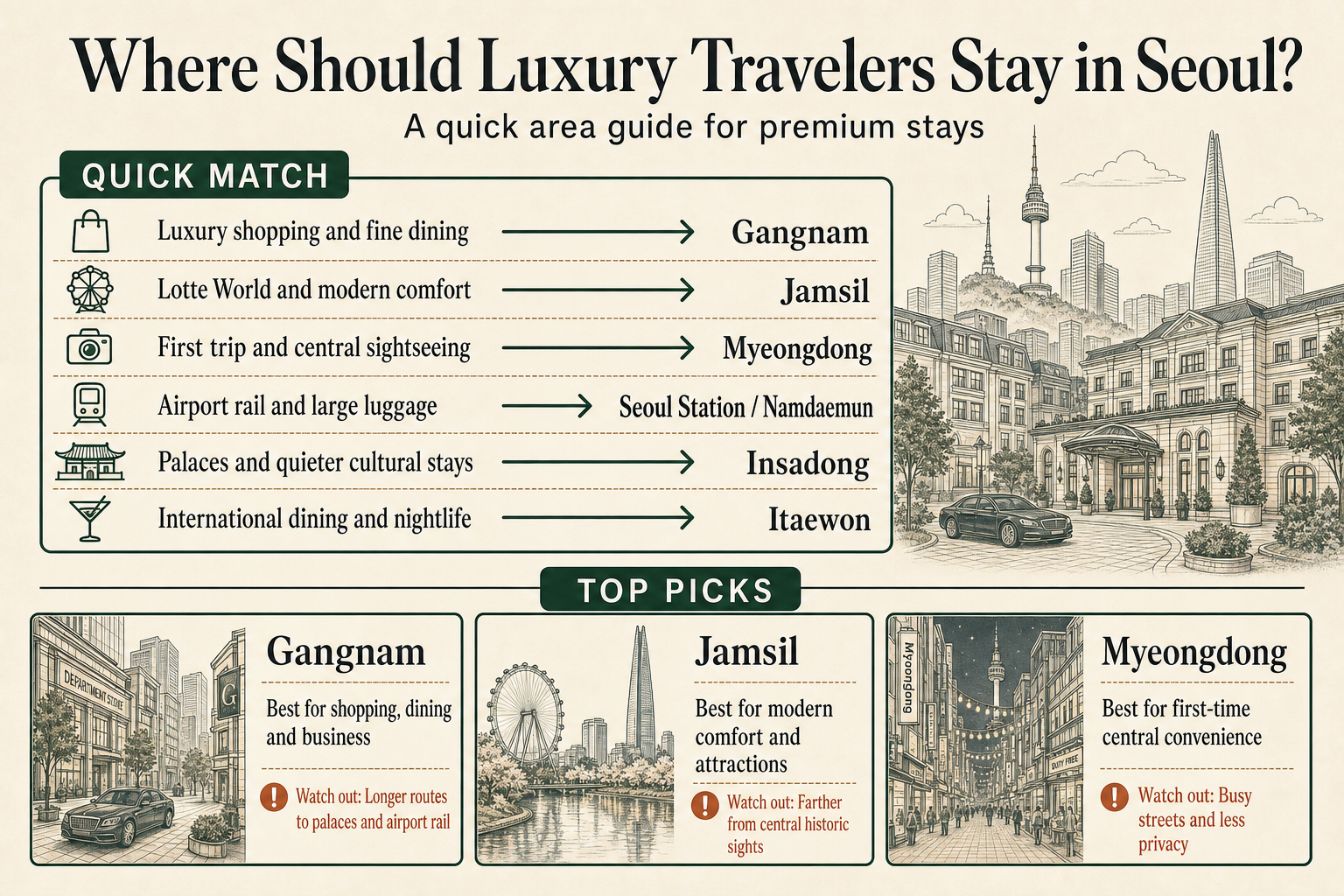
Luxury Seoul stay area guide matching premium shopping, modern comfort, central sightseeing, airport rail, cultural stays and international nightlife with six neighborhoods.
Six Seoul bases offer very different kinds of premium stays, from shopping and business to palace access, airport convenience and evening atmosphere.

Compare areas

Compare Seoul Luxury Hotel Areas at a Glance

Use this table to compare the trip pattern each area supports and the practical detail to verify before booking.

Area Works well when Airport & luggage Daily movement Evening feel Main trade-off
Gangnam Shopping, dining, business and south-Seoul plans overlap Requires planning Excellent for southern schedules Polished and active Longer trips to historic central Seoul
Jamsil Modern comfort, malls and Lotte attractions matter Longer airport journey Strong for southeastern Seoul Modern and calmer Farther from many central historic sights
Myeongdong First-trip sightseeing and central convenience matter Generally manageable Balanced for central Seoul Busy and commercial Less private and quiet than other luxury bases
Seoul Station / Namdaemun Airport rail, KTX and luggage are major priorities Excellent Strong for transfer-heavy trips Functional rather than resort-like Complex exits and less neighborhood atmosphere
Insadong Palaces, galleries and quieter cultural days matter Moderate Strong for Jongno and palace routes Calm and cultural Smaller streets and less premium shopping nearby
Itaewon International dining and nightlife lead the itinerary Requires planning Strong for dining-led stays Lively and late Hills, noise and uneven luggage routes

Area guides

Compare the Best Areas for Luxury Hotels in Seoul

Compare how each district supports shopping, dining, business, sightseeing, airport movement and quietness before reviewing individual hotels.

Gangnam

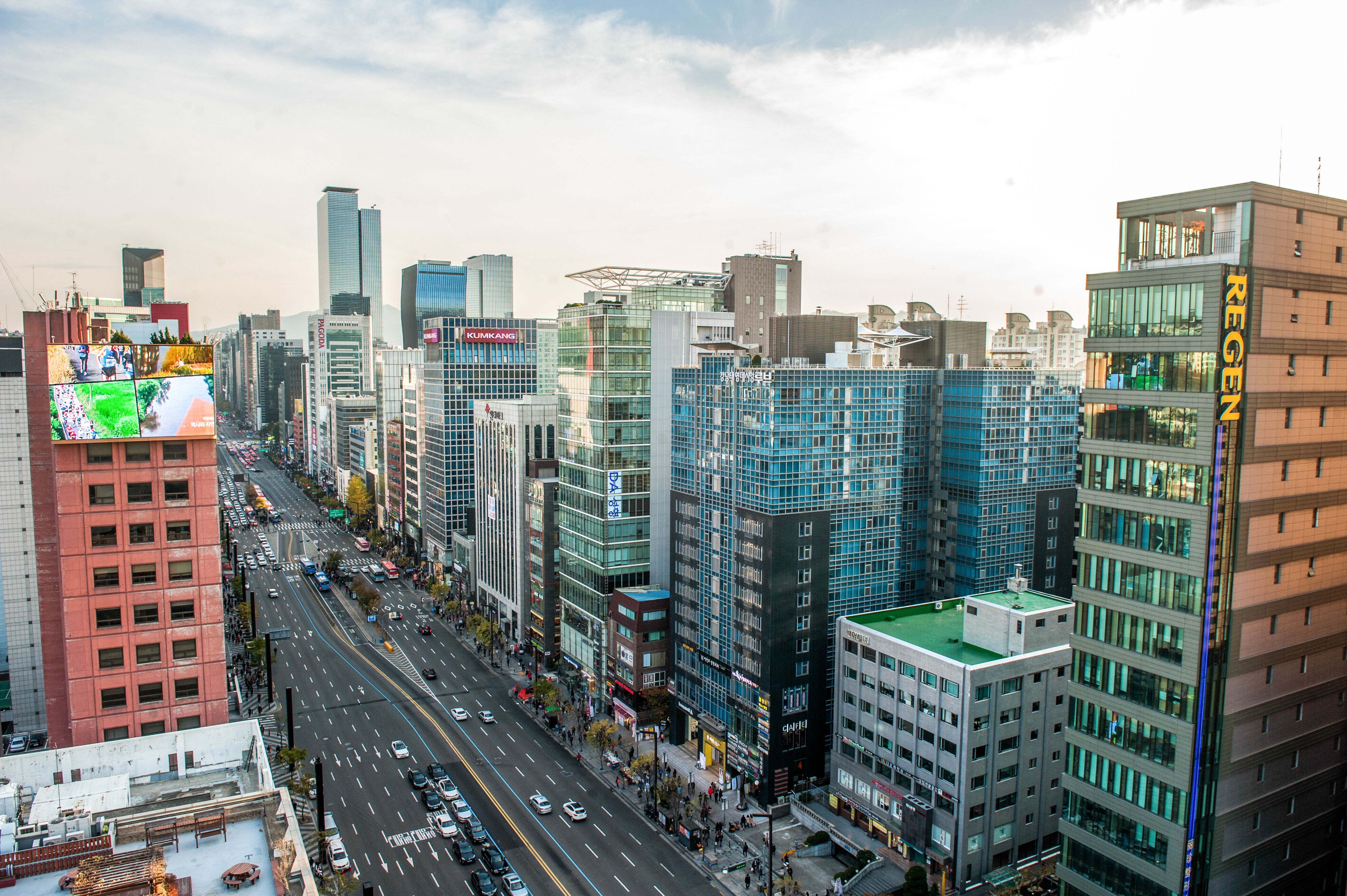
Gangnam Station street in Seoul
Photo: Korea Tourism Organization / Live Studio Kim Hak-ri

Gangnam is the easiest luxury base to justify when the trip already belongs south of the Han River. Premium shopping, restaurants, meetings, clinics and appointments can stay within the same broad part of Seoul, which makes the hotel location useful throughout the day rather than only at night.

The trade-off appears when the itinerary shifts toward palaces, Insadong or other parts of historic central Seoul. Repeated cross-city travel can turn a prestigious address into an inconvenient one, especially during busy traffic periods.

Gangnam therefore works best when the schedule gives the location a clear reason to be expensive.

Jamsil

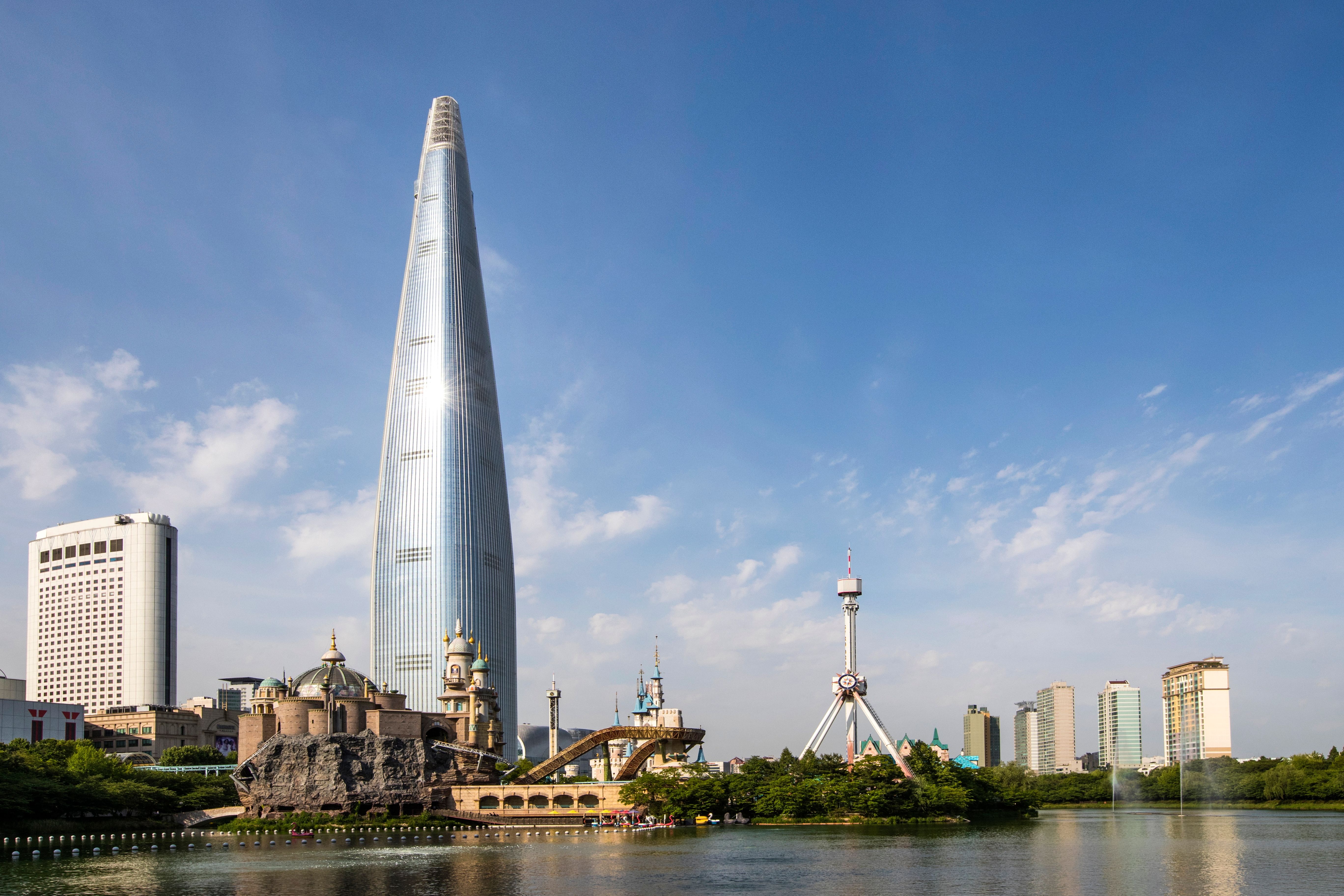
Jamsil city view

Jamsil offers a more self-contained version of a luxury stay. Large indoor complexes, Lotte World, Seoul Sky, shopping and Seokchon Lake make it possible to spend more of the day nearby without constantly moving between neighborhoods.

That can work particularly well when the hotel itself is part of the trip rather than simply somewhere to sleep. The trade-off is distance from many palace and historic-center routes, which becomes more noticeable on a short first visit.

Jamsil earns its premium when southeastern Seoul and the Lotte complex are already central to the itinerary.

Myeongdong

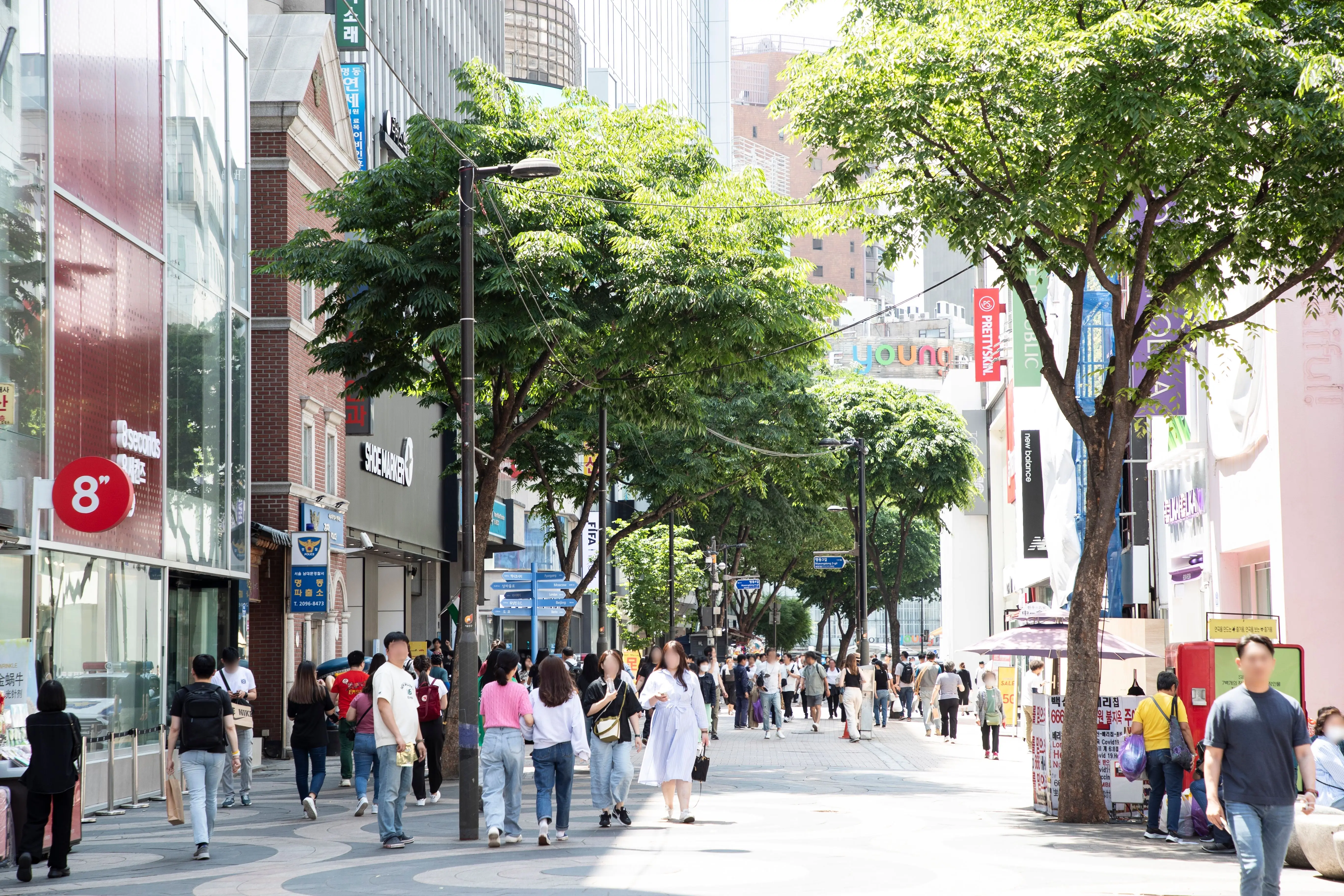
Myeongdong shopping street
Photo: Korea Tourism Organization / Lee Beom-su

Myeongdong is less about retreat-style luxury and more about combining a high-end hotel with an easy first Seoul trip. Central sightseeing, shopping and meals remain straightforward, which can be more valuable than staying in a more exclusive district when the itinerary is still spread across the city.

The neighborhood is busy and commercial, so room direction and the exact hotel block matter when privacy or quietness is important. The advantage is flexibility: plans can change without turning every day into a long journey.

For a short first visit, that convenience can be its own form of luxury.

Seoul Station / Namdaemun

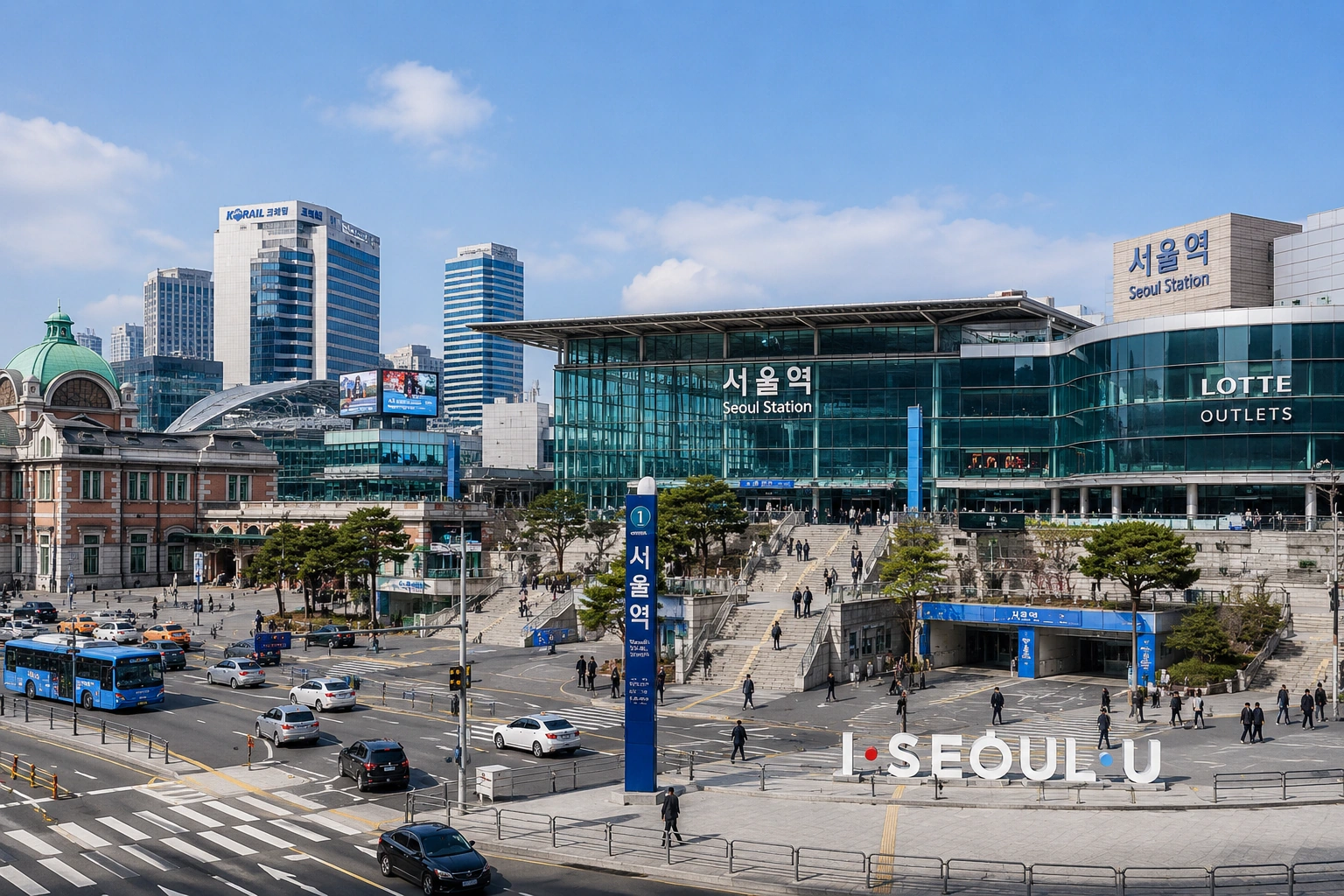
Seoul Station exterior

This part of central Seoul shows that luxury does not always mean the most fashionable neighborhood. For travelers arriving with large luggage, using AREX or KTX, or moving between Seoul and another city, reducing transfer friction can be more valuable than staying beside premium shopping streets.

The station area itself is complex, with multiple exits, crossings and levels. Namdaemun and Hoehyeon can therefore feel quite different from the station concourse even when the map distance looks short.

This base works best when movement is one of the main things you are paying to make easier.

Insadong

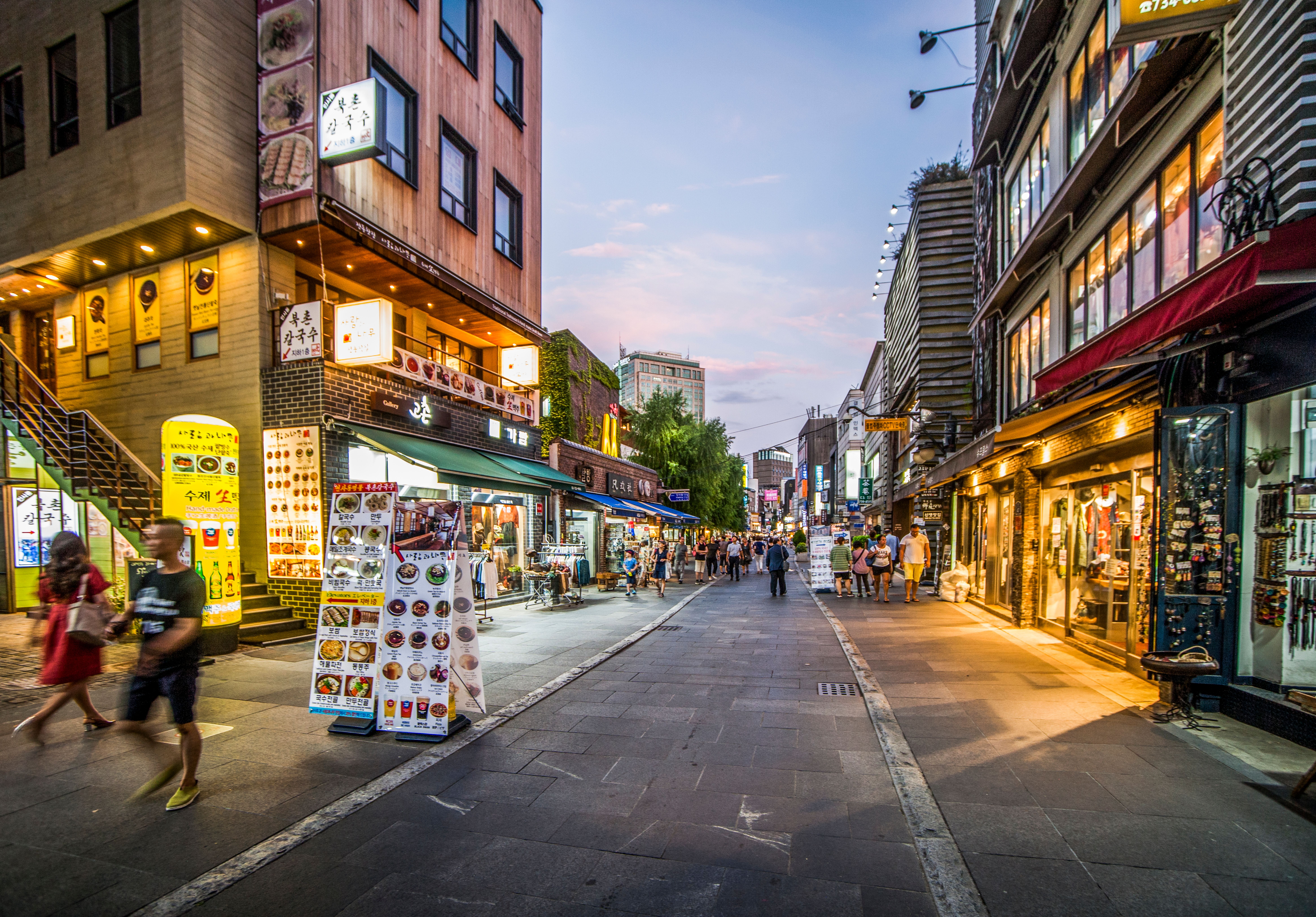
Insadong street view
Photo: Korea Tourism Organization / Live Studio

Insadong suits travelers who want luxury to feel closer to palaces, galleries, traditional streets and slower evening walks than to department stores or business towers. It is a quieter way to stay in central Seoul without giving up access to many historic sights.

The character of individual properties varies more than the broad district name suggests. Smaller streets, older buildings and vehicle access can matter when luggage, taxis or elevators are important.

This area makes the most sense when culture and atmosphere are part of what the traveler expects from a premium stay.

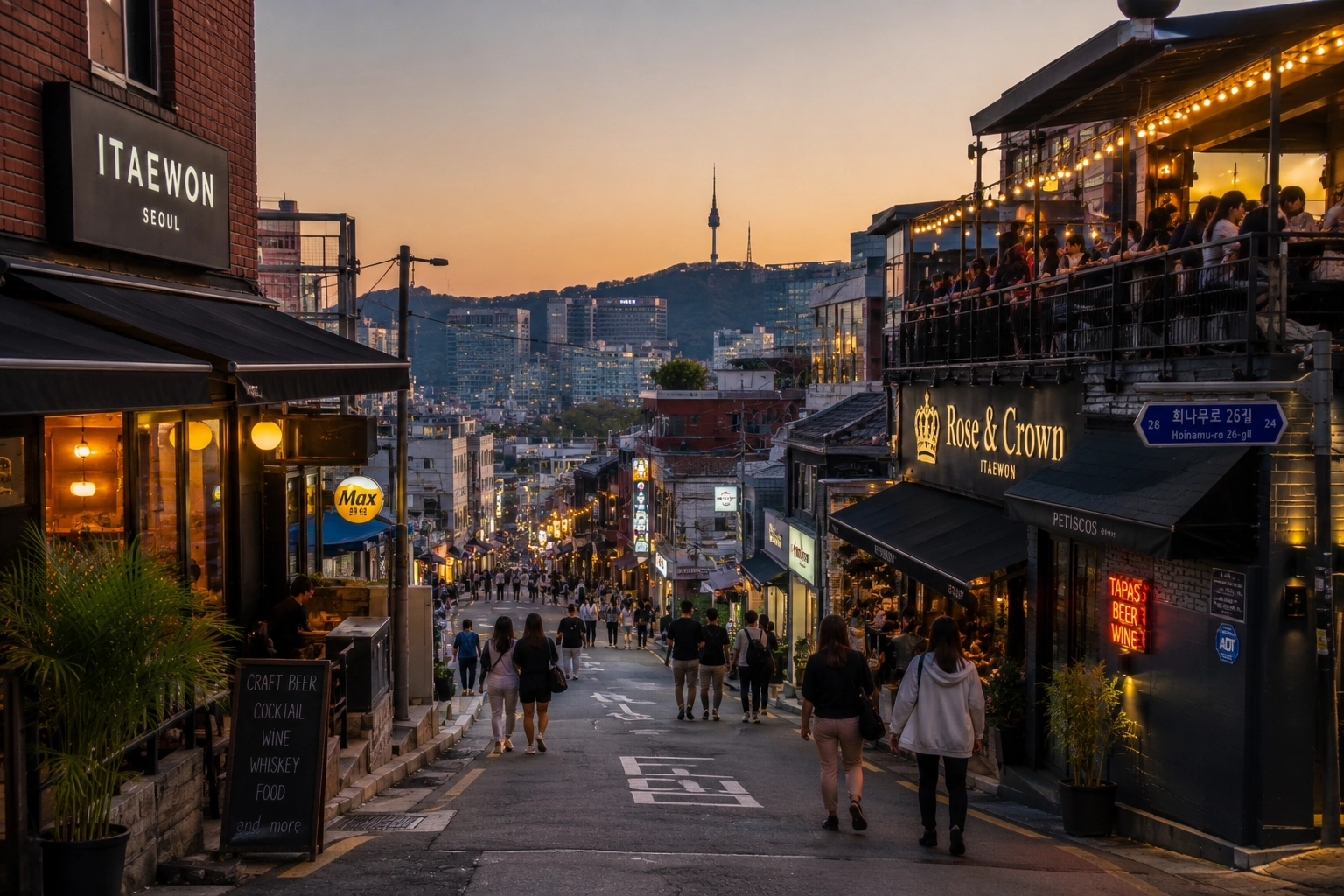
Itaewon

Itaewon night street
AI-generated

Itaewon makes more sense for a luxury trip built around international dining, bars and evening atmosphere than for a classic first-time sightseeing schedule. It can feel especially natural on a repeat visit when the traveler already understands Seoul's transport and wants the neighborhood itself to shape the evenings.

The trade-off is practical. Hills, smaller streets and late-night activity mean the exact hotel location matters more than the Itaewon name alone, particularly with large luggage or when quietness is important.

This is a lifestyle-led luxury base rather than the easiest all-purpose base.

Before booking

What is worth checking before paying for a luxury room

Exact room category

The category name on the confirmation matters more than photographs from the hotel's general gallery. Floor, layout and included services can differ even when the rooms look similar online.

Bed configuration and occupancy

A premium room still needs to work for the actual number of guests. Bed type, occupancy limits and child or extra-person conditions can change which category is genuinely suitable.

Room size and luggage space

Published floor area becomes more meaningful when several large suitcases need to stay open during the trip. A beautifully designed room can still feel cramped when usable space is limited.

View category

City, river and landmark views are usually tied to specific categories rather than the hotel name itself. The exact wording attached to the booked rate is what matters.

Breakfast

Breakfast may be included for some rates and excluded from others, and guest coverage can vary. It is part of the room value only when the booking actually includes it.

Club lounge

Lounge access can depend on room type, operating hours and guest conditions. It should be treated as a booking inclusion rather than an automatic feature of a luxury hotel.

Spa, pool and fitness facilities

Premium facilities can have reservation requirements, age limits, maintenance periods or separate access conditions. Their value depends on whether they can actually be used during the stay.

Soundproofing and room direction

Roads, nightlife and service areas can affect different sides of the same hotel differently. Recent room-specific comments are often more useful than assumptions based on the district alone.

Airport and taxi arrival

The final arrival should be considered from the airport or station all the way to the lobby. Transfers, taxi access, crossings and hotel entrances can matter more with heavy luggage than the straight-line distance.

Early or late check-in

A luxury booking does not automatically guarantee flexible arrival times. Early access, late arrival procedures and additional charges depend on the property's actual policy and availability.

Luggage storage

Storage before check-in or after checkout can be particularly valuable on premium trips with awkward flight or rail schedules.

Restaurant reservations

A famous hotel restaurant may still require a separate reservation. Staying in the building does not necessarily guarantee a table at the preferred time.

Total price and cancellation

Taxes, service charges, deposits, payment timing and cancellation conditions determine the real cost of the booking. The headline nightly rate is only part of the comparison.

Avoid booking mistakes

Luxury hotel mistakes that are surprisingly easy to make

Choosing the brand before choosing the area

A famous hotel can still create unnecessary cross-city travel when its location does not match the actual itinerary.

Assuming every five-star rate includes the same extras

Breakfast, lounge access, spa use and other services can vary by room and rate even inside the same hotel.

Booking from the gallery instead of the room category

Hotel photographs often show several room types. The confirmation needs to match the size, bed and view that actually matter for the stay.

Forgetting the arrival with luggage

A premium address feels less convenient when the airport or station route ends with difficult stairs, crossings or an awkward taxi drop-off.

Staying beside nightlife when sleep matters more

Even excellent hotels can feel different depending on room direction and the street outside. Luxury does not remove the need to think about noise.

Choosing Gangnam because it sounds prestigious

Gangnam earns its value when southern Seoul is already part of the itinerary. It becomes much less convenient when most days begin around palaces and Jongno.

Assuming pool and spa access is automatic

Facility access can depend on reservations, age, maintenance schedules or the room package that was booked.

Looking only at the nightly rate

Deposits, taxes, cancellation rules and included services can make two apparently similar rates very different purchases.

Ignoring the lobby entrance and taxi route

Large buildings, wide roads and underground passages can make a short map distance surprisingly awkward in practice.

Paying for a famous address while spending every day elsewhere

The best luxury base is the one that improves the actual trip, not simply the one with the most recognizable neighborhood or hotel name.

FAQ

Where to Stay in Seoul for Luxury Hotels: FAQ

What is the best area to stay in Seoul for luxury hotels?

Gangnam works best when premium shopping, dining, business and plans south of the Han River dominate the itinerary. Jamsil offers a more self-contained modern stay, while Myeongdong is usually easier for a first visit focused on central Seoul.

Is Gangnam the best luxury area in Seoul?

It can be, but only when the itinerary gives the location a reason to be there. Gangnam is particularly useful for southern Seoul, premium shopping and dining; palace-heavy trips are usually easier from a more central base.

Is Jamsil good for luxury hotels?

Yes. Jamsil suits travelers who want modern hotels, malls, Lotte attractions and a more self-contained stay in southeastern Seoul. The main trade-off is longer travel to many historic central sights.

Is Myeongdong good for luxury travelers?

Yes, especially on a first or shorter trip. Myeongdong combines premium hotels with central sightseeing, shopping and meals, although the neighborhood feels busier and more commercial than quieter luxury bases.

Which luxury area is best for airport access?

Seoul Station / Namdaemun is the most transport-focused choice when AREX, KTX and large luggage matter. The exact hotel entrance and station route still deserve attention because the area has many exits and levels.

Which luxury area is best for families?

Jamsil is particularly practical when indoor attractions, malls and the Lotte complex are already important parts of the family itinerary. Other areas may work better when palace sightseeing or airport convenience matters more.

Which area is best for luxury shopping?

Gangnam is the strongest broad choice for premium shopping, especially when dining and other southern Seoul plans overlap. Jamsil works well for large modern complexes, while Myeongdong is more convenient for central shopping on a first trip.

Should luxury travelers stay in Itaewon?

Itaewon can work well when international dining, bars and evening atmosphere are major parts of the stay. It is less straightforward for travelers who prioritize quietness, large-luggage simplicity or a tightly planned first visit.

Conclusion

Luxury works best when the location earns the premium

Gangnam is the easiest luxury base to justify when shopping, dining and business already keep the trip south of the river. Jamsil offers a more self-contained modern stay, while Myeongdong keeps a first visit central and flexible. Seoul Station / Namdaemun can be the smarter premium choice when transport and luggage matter most.

The best luxury hotel is not automatically the one with the most famous address or the highest room rate. It is the one whose location, room category and services remove enough friction from the actual trip to make the extra cost worthwhile.