Expecting every Hongdae hotel to be noisy
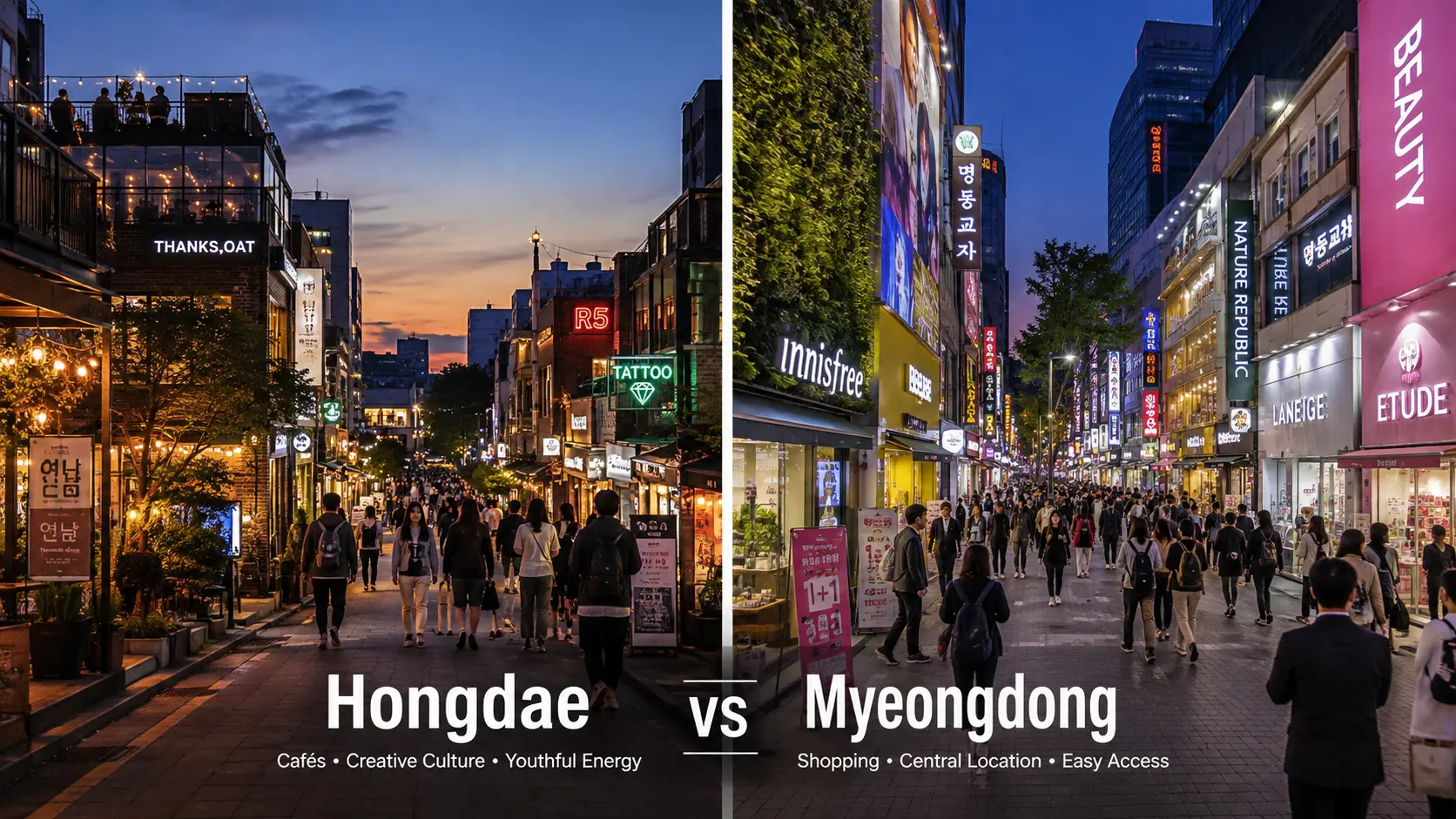
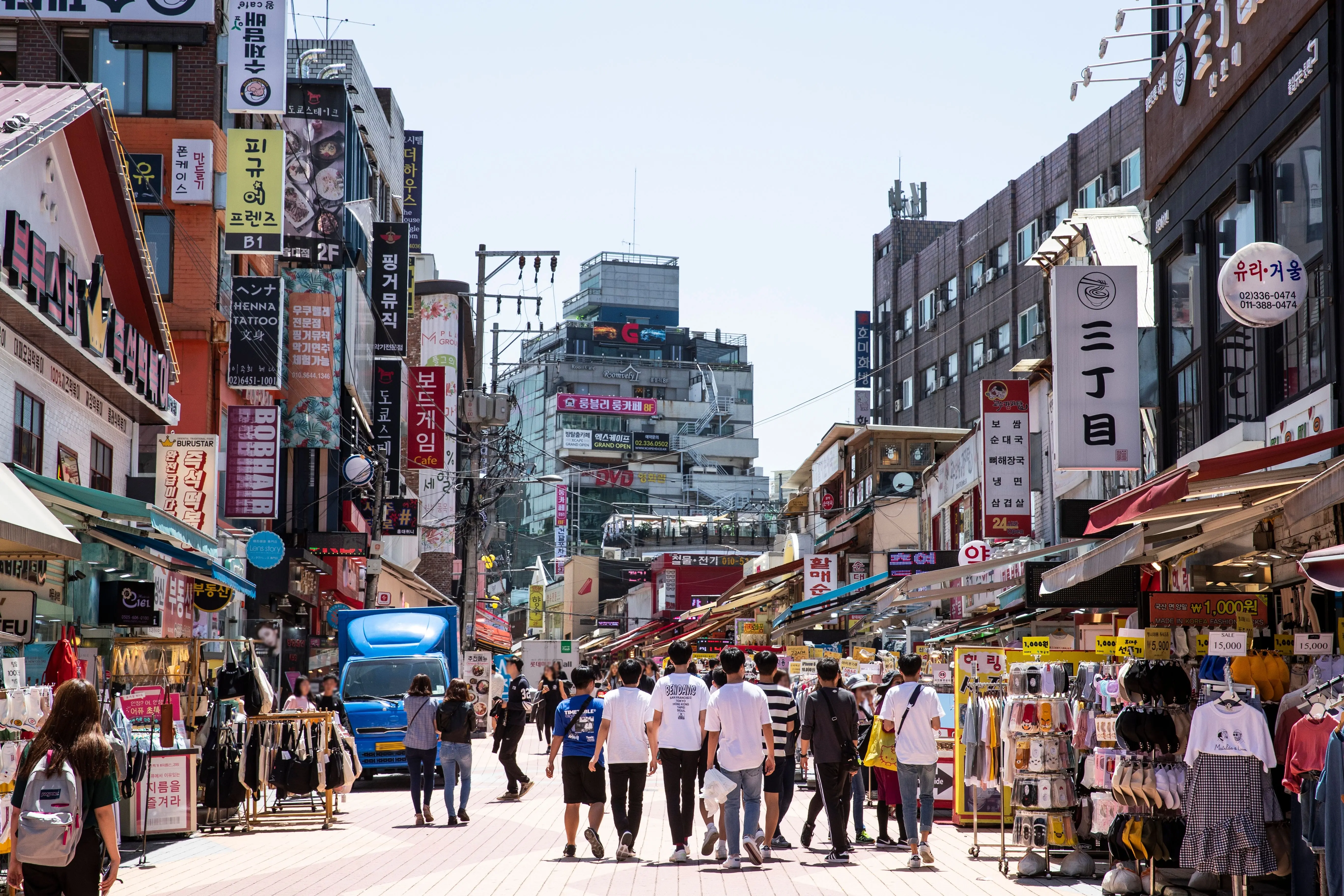
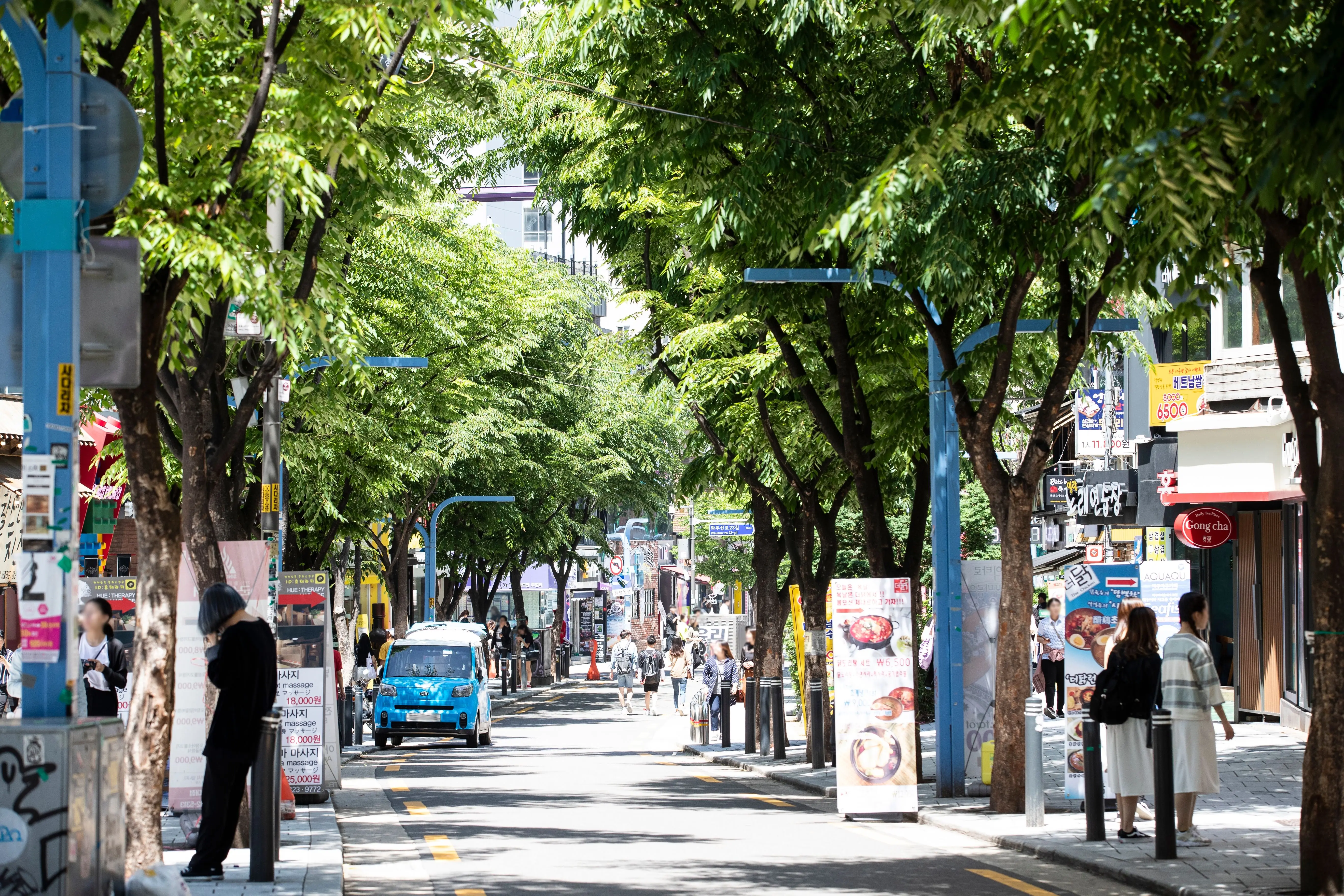
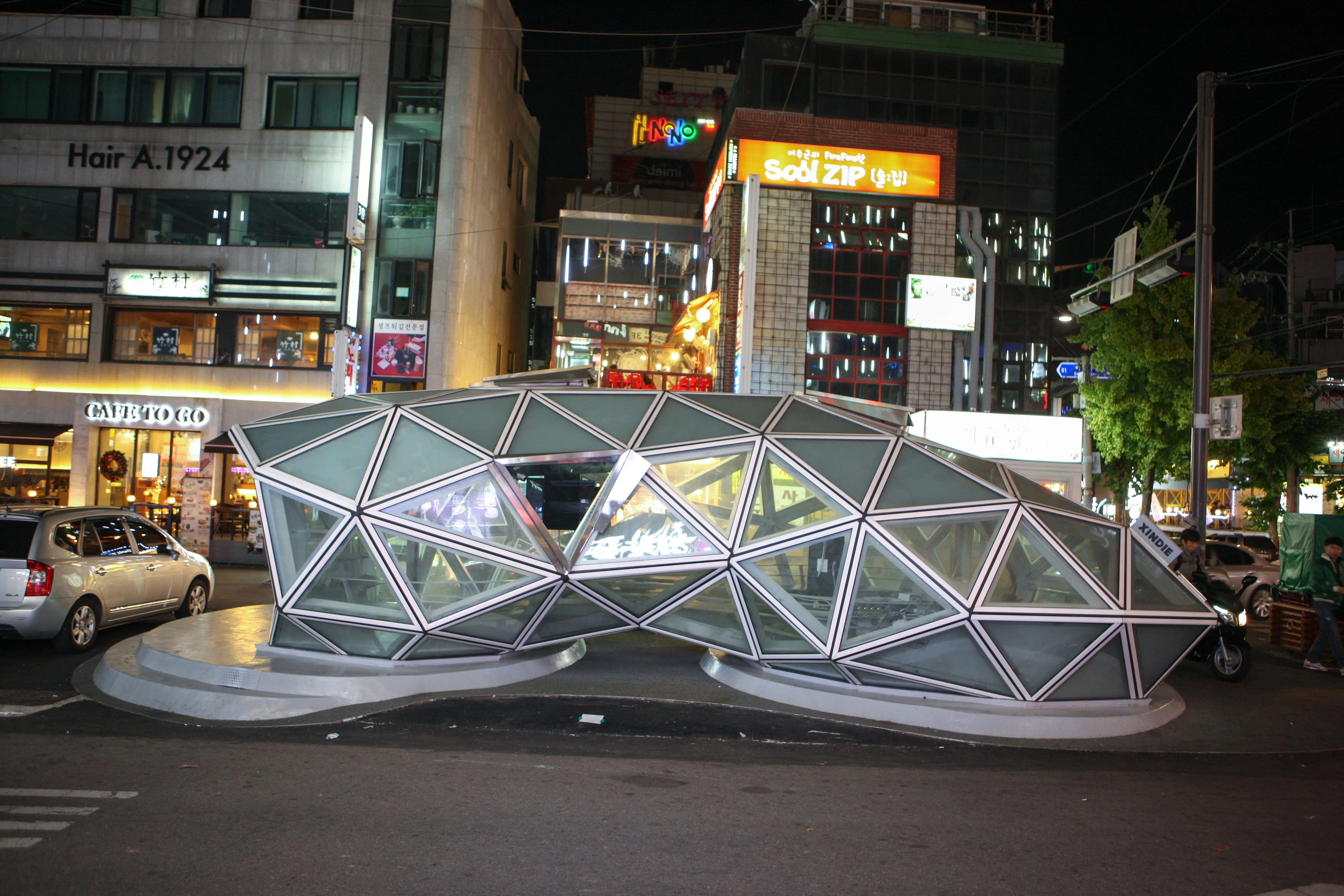
Hongdae has loud streets, but it also has quieter blocks and rooms facing away from the main activity. Noise is much more specific than the neighborhood name.
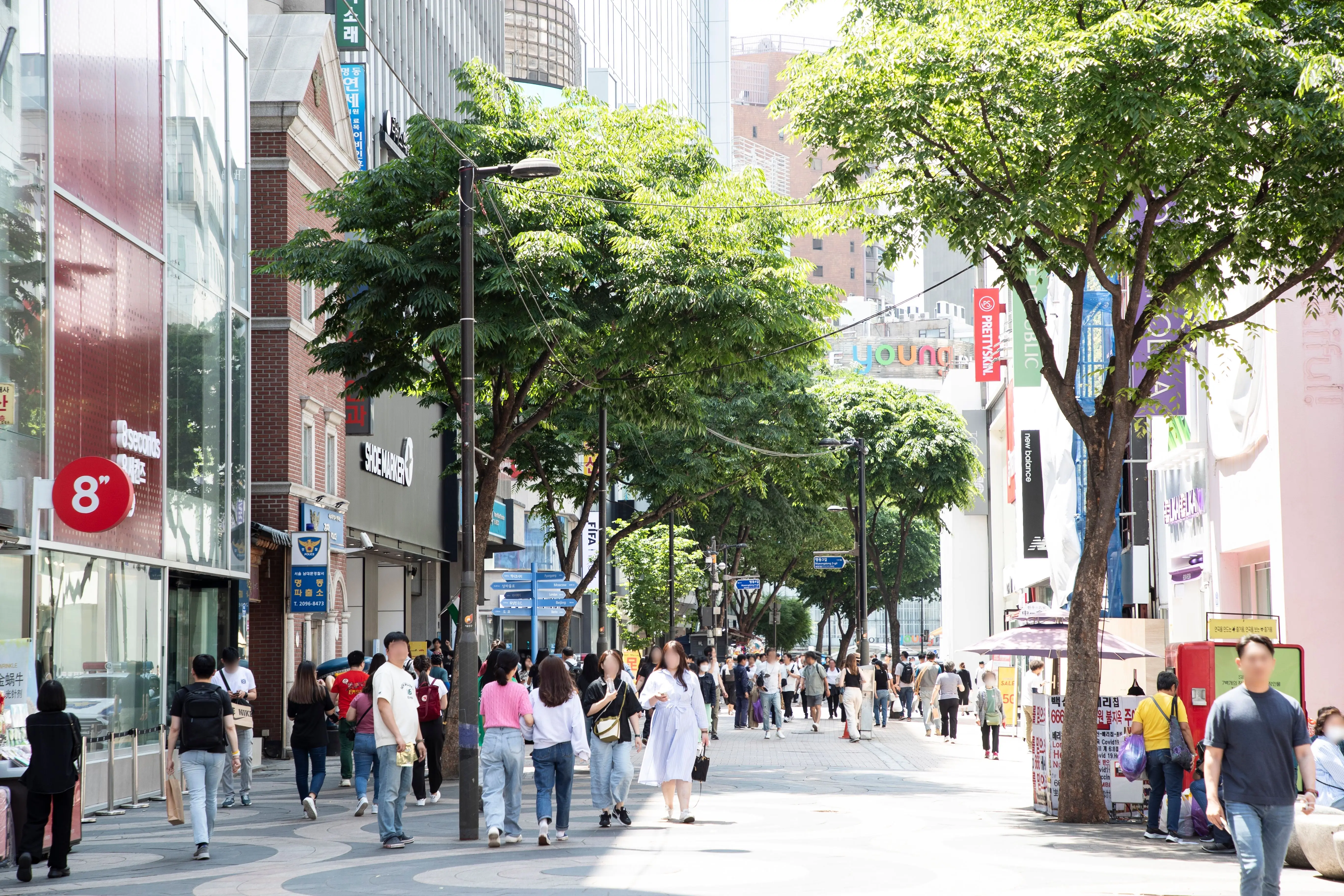
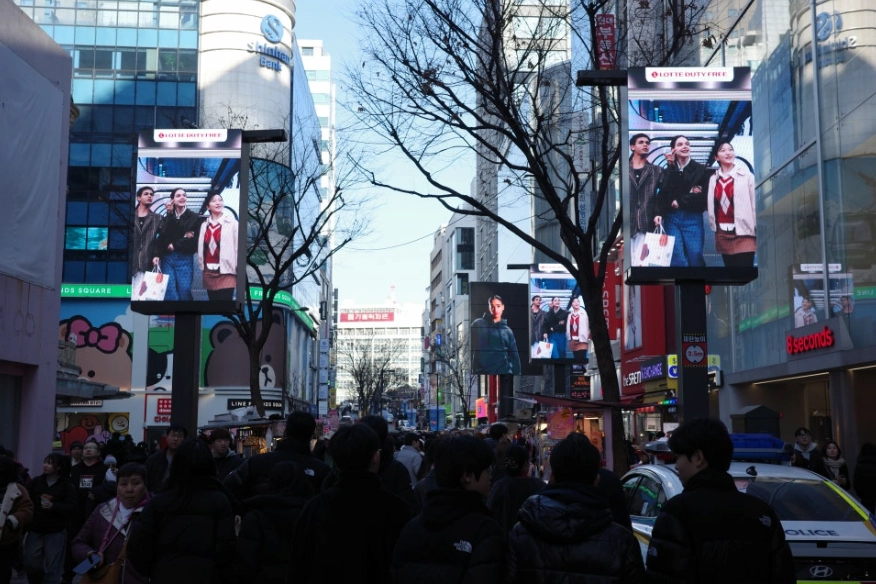
Choosing Myeongdong because it is famous
Myeongdong earns its place when central sightseeing and shopping fit the itinerary. Its name alone does not make it the best base for a trip spent mostly in western or southern Seoul.
Looking only at the airport vehicle
A direct train or bus is only part of the journey. Long station corridors, stairs, crossings and the final walk can change which arrival is actually easier with luggage.
Looking at the station but not the exit
Large Seoul stations can place exits surprisingly far apart. A hotel that looks close to the station center may still have an awkward everyday route.
Assuming the whole district has the same noise level
A main-road room and a side-street room inside the same neighborhood can produce completely different nights. Recent room-specific comments are much more useful.
Forgetting arrival and checkout timing
An early arrival or late flight can leave hours when luggage needs somewhere to go. Storage and check-in procedures become part of the location decision on those days.
Ignoring room size on a family trip
A central hotel is not convenient when the room cannot comfortably handle the people, beds and luggage using it.
Assuming central means everything is walkable
Myeongdong is well placed, but palaces, Jongno, Namsan and other parts of Seoul still require different journeys. Centrality reduces friction; it does not eliminate transport.
Treating Hongdae as an area for one age group
Hongdae attracts many younger visitors, but cafés, restaurants, parks and calmer surrounding streets work for a much wider range of travelers. The itinerary matters more than age alone.
Comparing different OTA room conditions
A lower displayed rate may describe a different room, cancellation policy or breakfast condition. The useful comparison is the same stay under equivalent terms.