Markets & Street Food
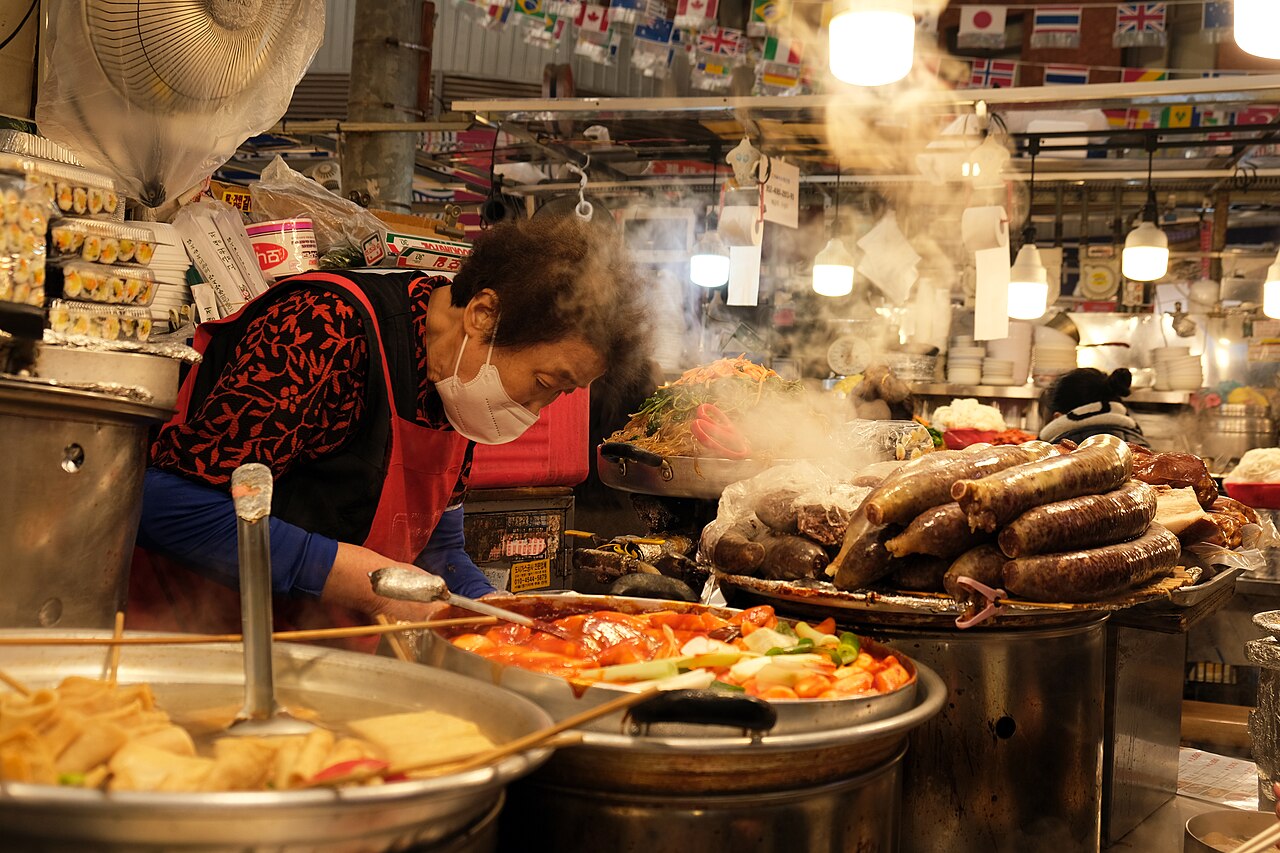
Markets are lively because the food is only part of what is happening. Gwangjang, Mangwon and Namdaemun each work differently depending on whether you want a concentrated food stop, a neighborhood walk or a larger shopping day.

Korean food is part of the place around it. A crowded market breakfast, barbecue late at night, a café afternoon in Seongsu, or seafood by the coast can lead to completely different days in Korea.
You do not need to chase every famous dish. The more useful question is what kind of food experience you want, and whether that experience belongs naturally with the rest of your trip.
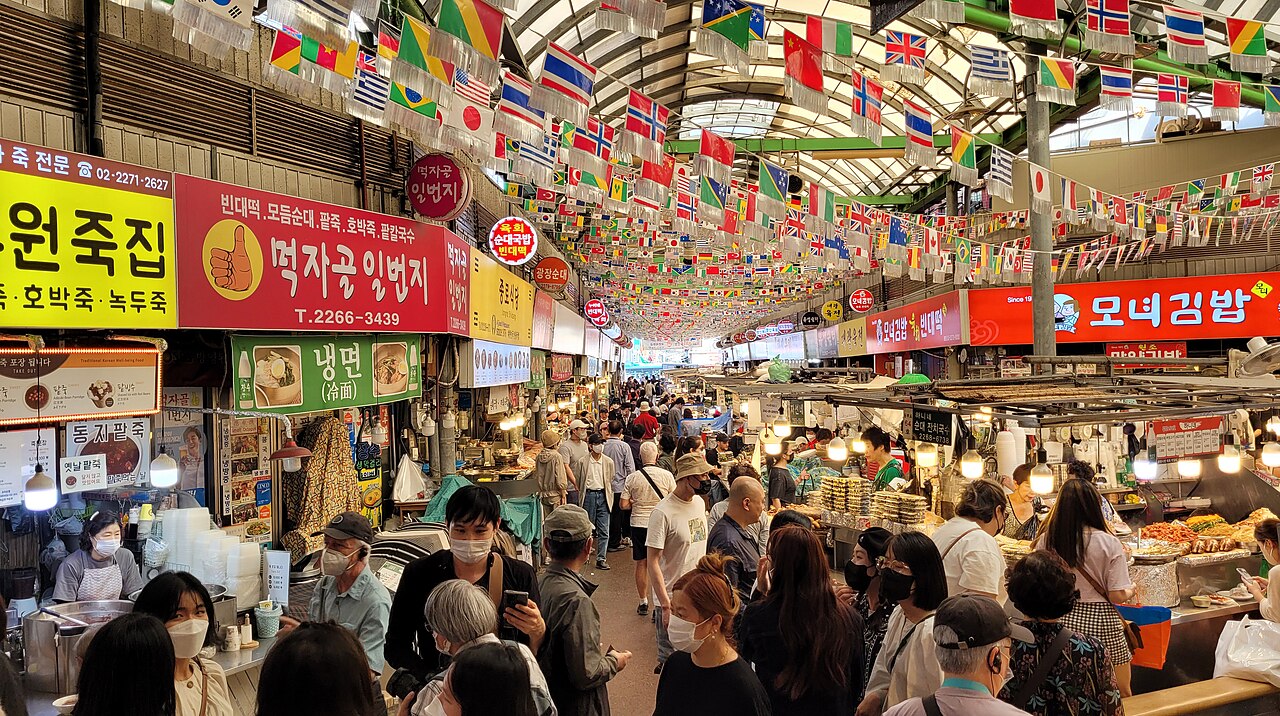
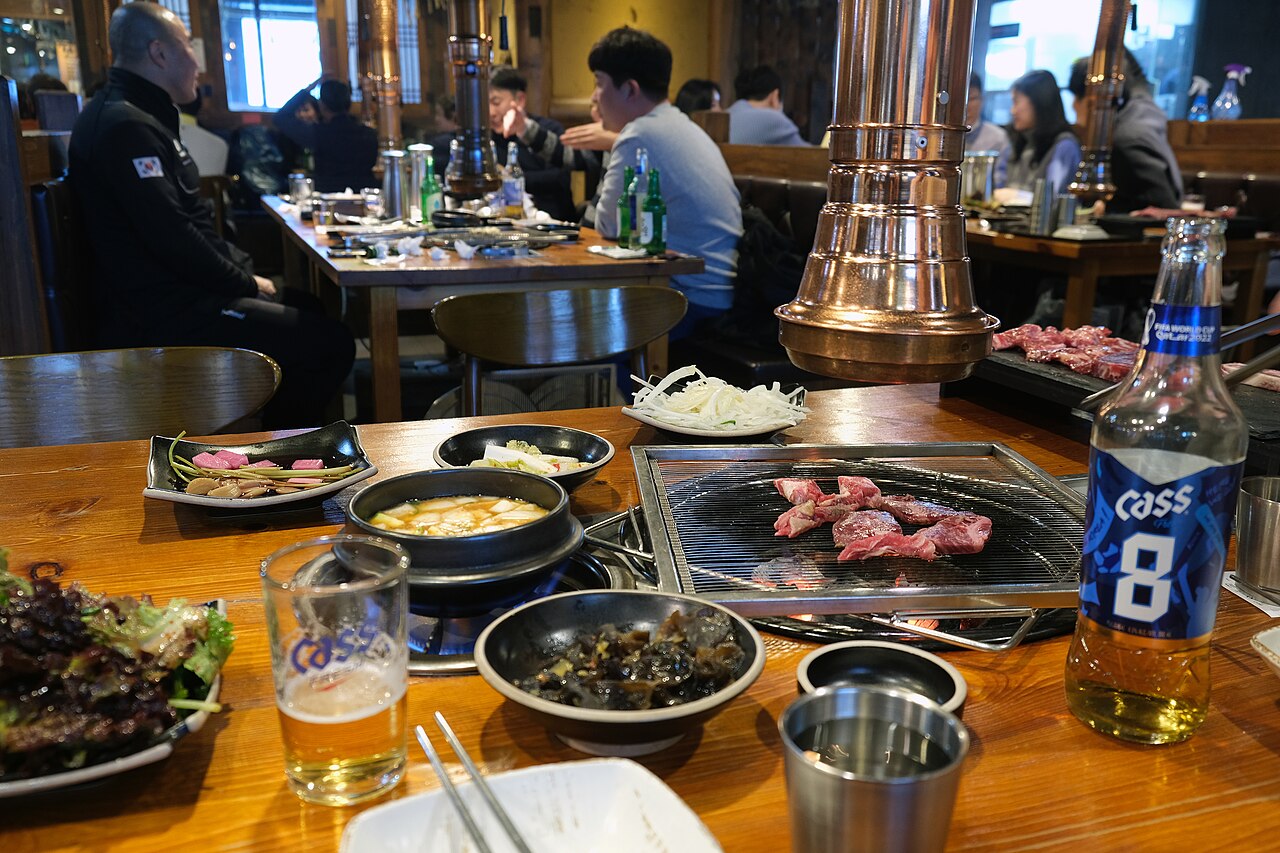
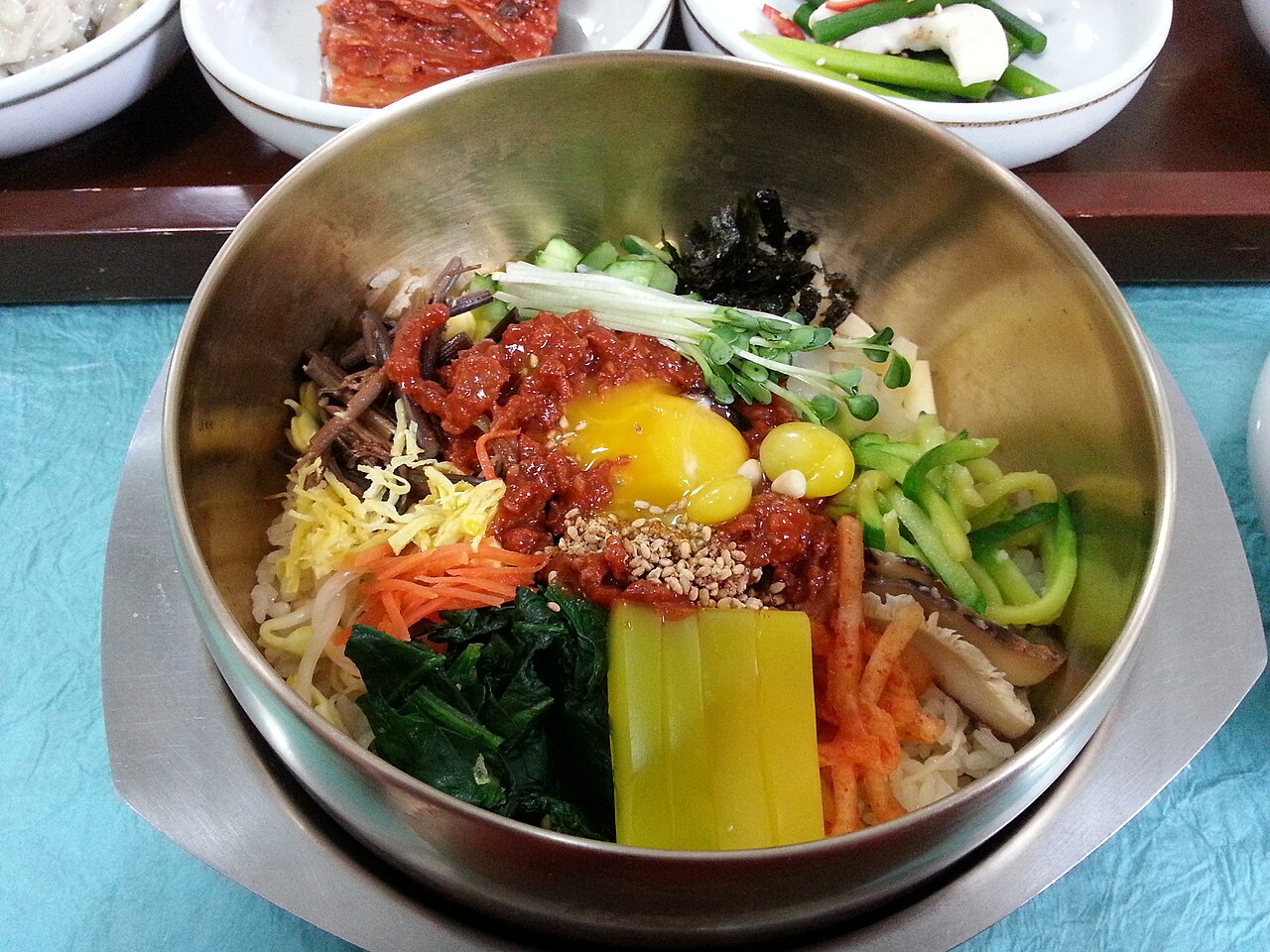
Markets, barbecue, cafés and regional food create very different kinds of days. Some are quick and energetic; others make more sense when you give the neighborhood—or even another city—time to become part of the experience.
Markets are lively because the food is only part of what is happening. Gwangjang, Mangwon and Namdaemun each work differently depending on whether you want a concentrated food stop, a neighborhood walk or a larger shopping day.
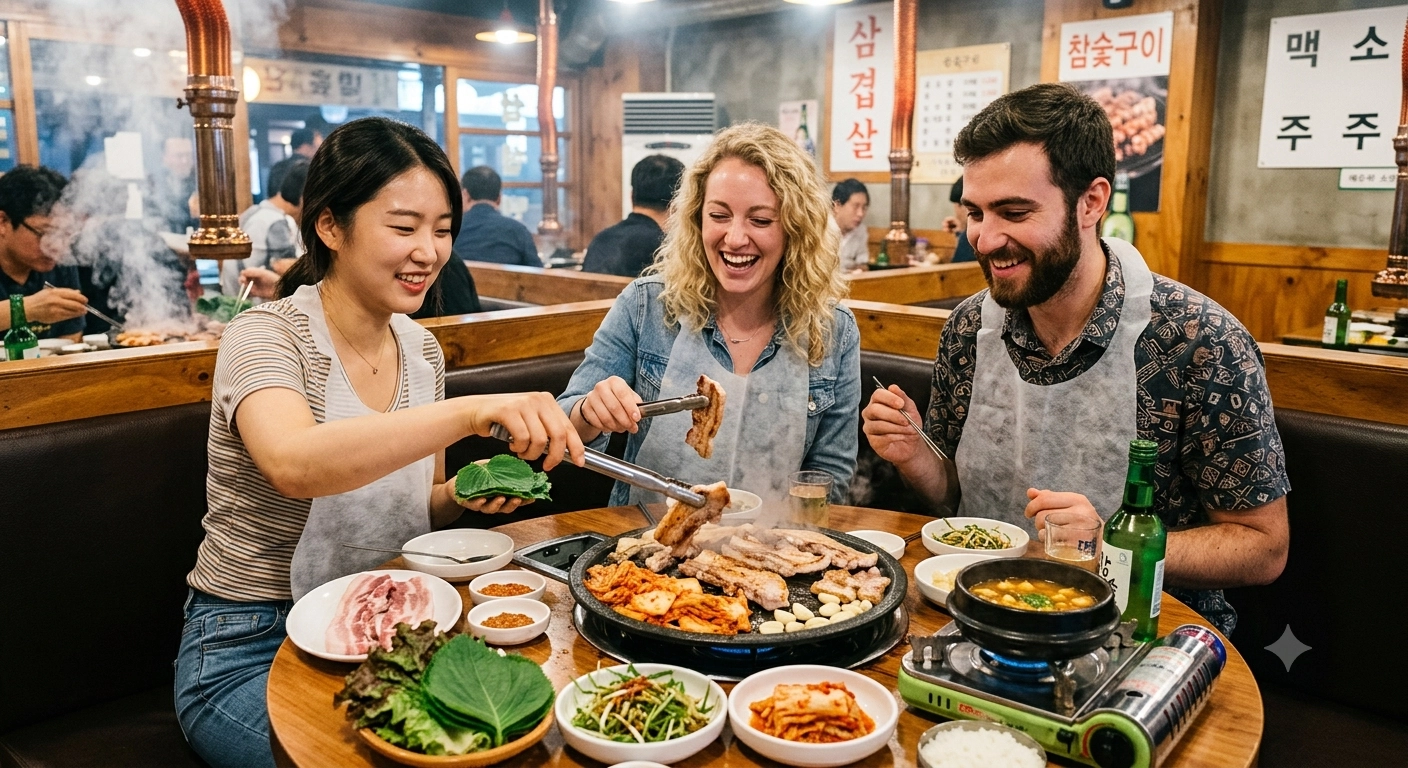
Korean barbecue is usually a longer, more social meal than a quick dinner. The neighborhood shapes the rest of the evening: Mapo feels different from Hongdae after dark, and Euljiro brings another kind of central-Seoul night.
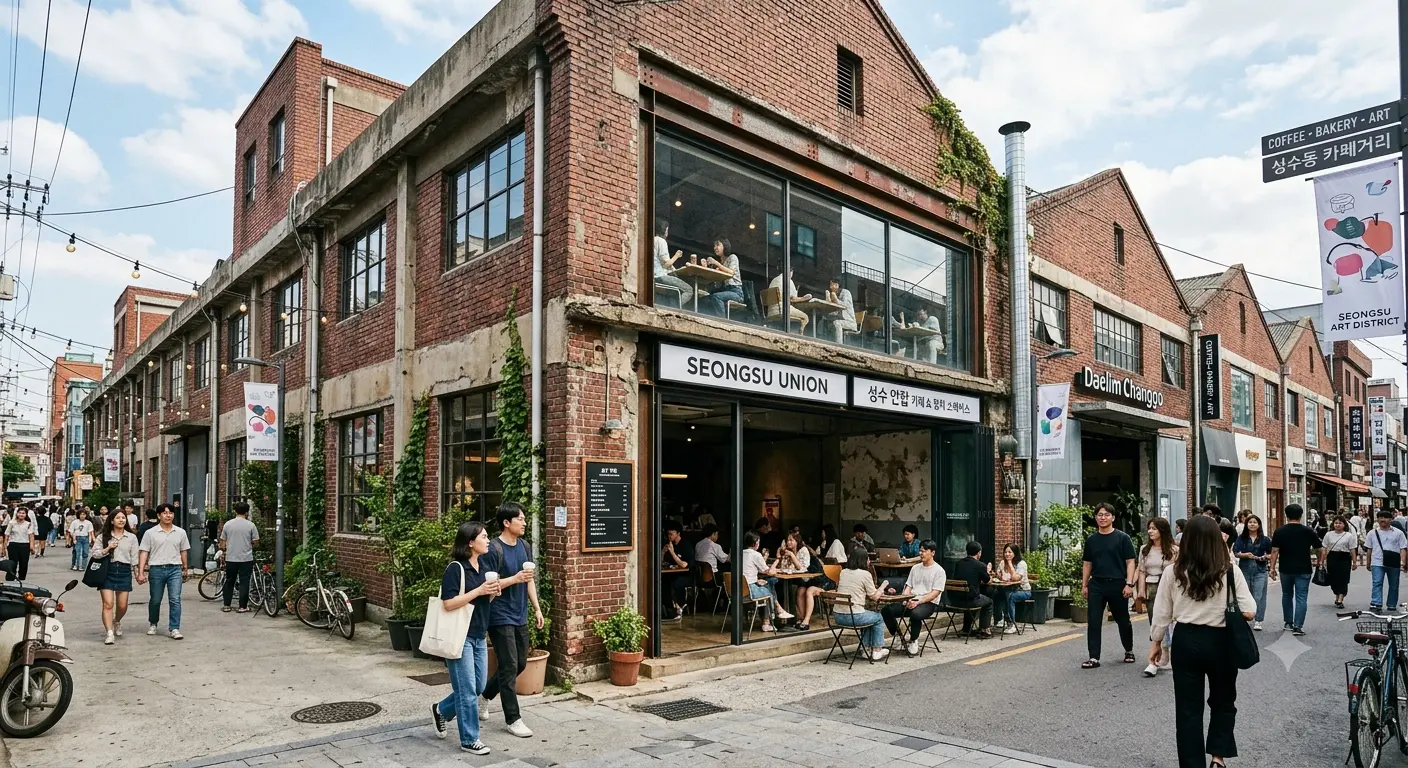
A café day in Seoul is often as much about the streets around the café as the coffee itself. Seongsu, Yeonnam and Ikseon-dong each combine cafés with a very different kind of neighborhood.
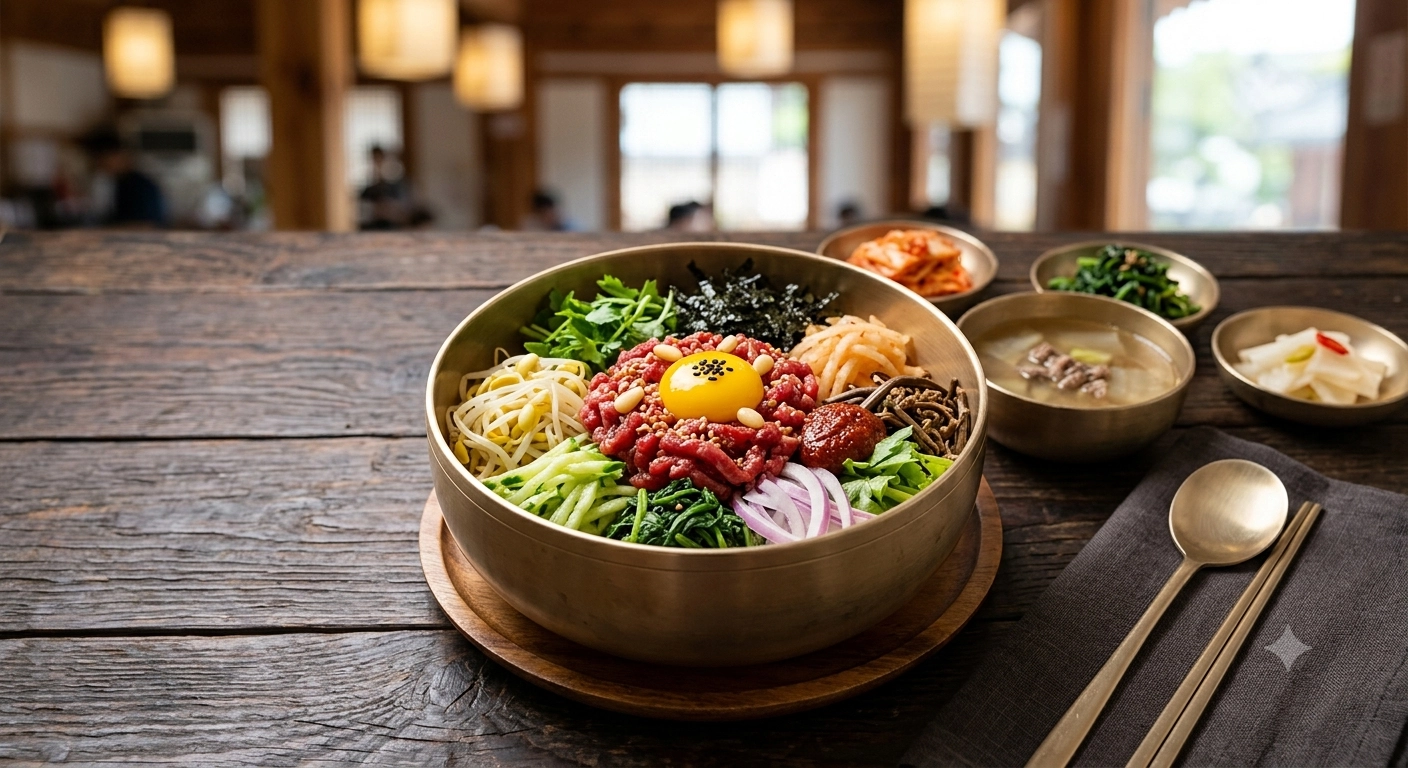
A regional dish lands differently when the city around it is part of the day. Markets, local dining habits, traditional neighborhoods and the pace of the place can stay with you as much as the dish itself.
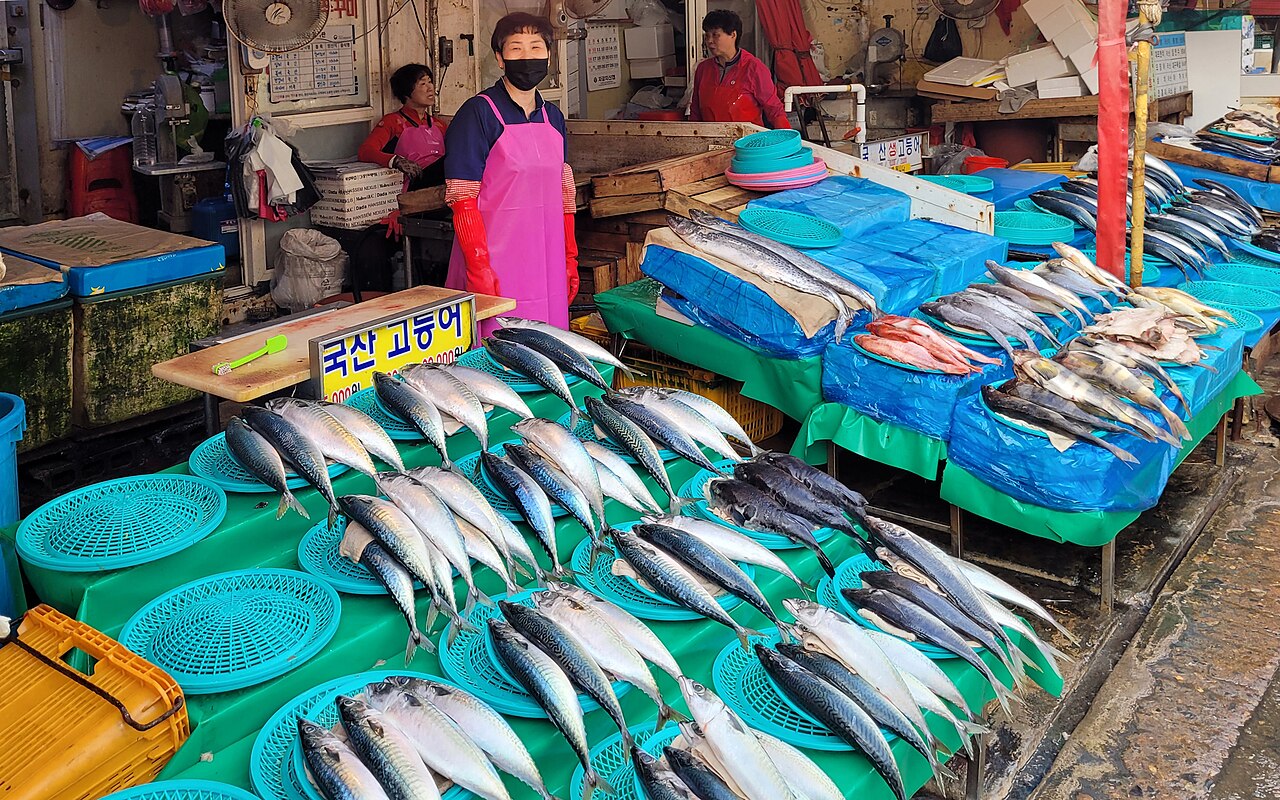
Seafood feels different when the market, harbor or island landscape is part of the day. Busan and Jeju are the clearest examples, but they create very different kinds of trips.
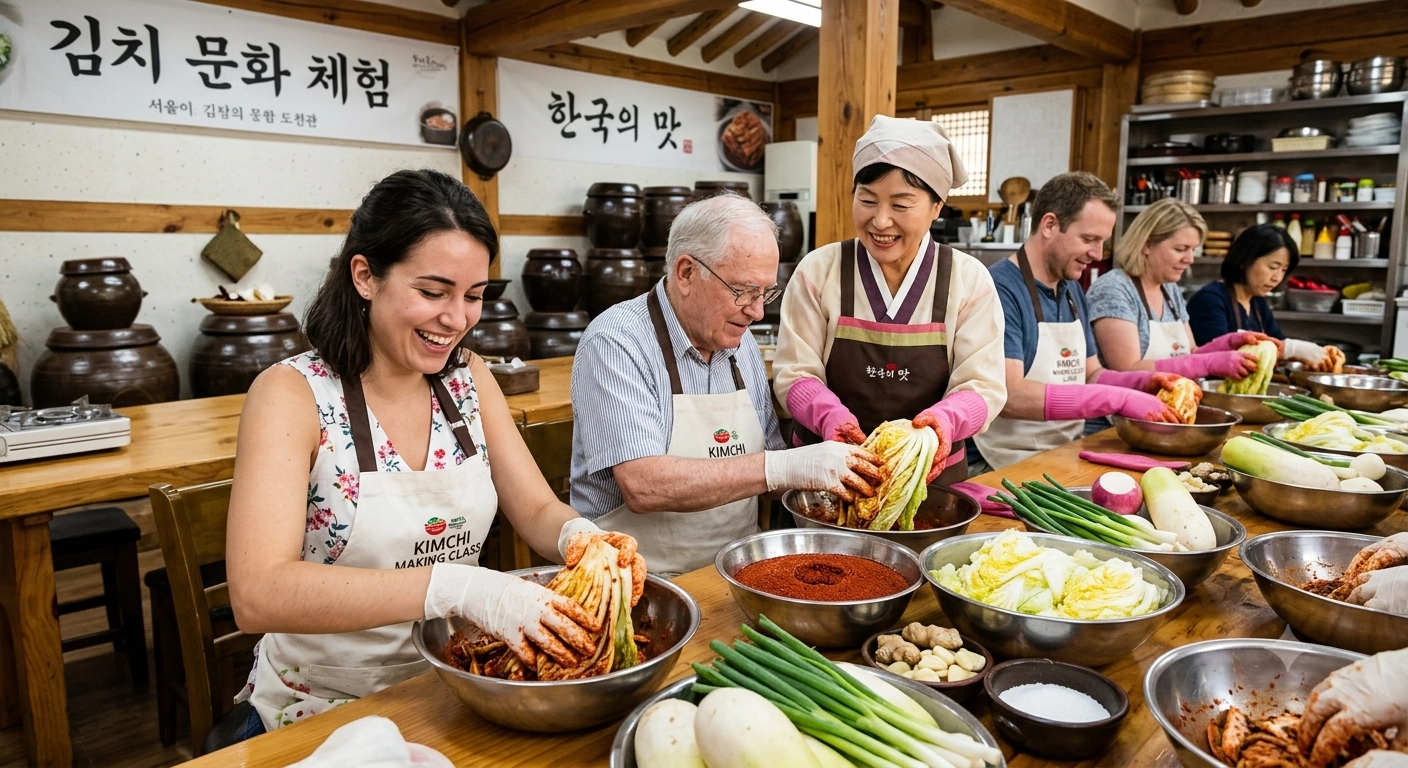
A cooking class, market walk or food tour can add context that is hard to get from a menu alone, especially when you want to understand ingredients, ordering or the story behind a dish.
The same meal can feel completely different in a crowded market, around a barbecue table or beside the coast. The details below are less about ranking those settings than understanding what kind of day each one creates.
Seoul’s traditional markets are not interchangeable. Gwangjang Market offers a busy, concentrated market atmosphere, with food stalls beside textiles, groceries and traditional goods.
Mangwon Market is smaller and more closely tied to the surrounding neighborhood, so it can sit comfortably inside a slower local day or a walk toward the Hangang. Namdaemun is much larger. Food shares the district with clothing, kitchenware, accessories and everyday shopping.
At Gwangjang, the market can easily become one of the day’s main events. Mangwon leaves more room for the streets around it, while Namdaemun belongs naturally in a broader shopping day. Popular meal times bring crowded aisles, queues and limited seating, and opening hours and payment methods still vary from stall to stall.
A Korean barbecue restaurant is usually more than a place to eat grilled meat. At many gogi-jip, the meal unfolds around the table with vegetables, sauces, side dishes, stews or noodles. Some restaurants leave the grilling to diners, while others have staff take care of it.
Mapo brings an everyday after-work atmosphere. Hongdae carries dinner toward bars, younger crowds and late-night activity. Euljiro adds older restaurants and narrow alleys, while Gangnam tends to feel more polished and can be more expensive.
Barbecue is rarely a rushed meal. The slower pace is part of the appeal for friends, families or couples. Solo dining is possible, but minimum orders and solo policies vary by restaurant, and popular places may involve a wait.
Seongsu combines large cafés with converted industrial buildings, select shops, pop-ups and brand spaces. Yeonnam feels smaller and more residential, with cafés and casual restaurants that flow naturally into Hongdae.
Ikseon-dong has another mood altogether: renovated hanok buildings, narrow central-Seoul lanes and cafés that pair easily with Jongno and historic Seoul. A Seongsu afternoon often stretches into fashion, beauty and design, while Yeonnam leaves more time for unhurried neighborhood walking.
Weekend queues can be long, and social-media photos rarely show the real crowd or noise level. The streets around the café are part of the day, but one café alone does not need to dictate the rest of the trip.
Traditional Korean food can mean a formal multi-course meal, a market breakfast, a local soup, temple food, a regional specialty or a meal in a historic neighborhood. A list of famous dishes tells only part of that story.
The surrounding city adds the context: why a dish developed there, how people eat it and what else belongs in the same day. Jeonju is a clear example. Bibimbap may be its best-known dish, but markets, traditional drinks and Hanok Village give the food a wider setting.
Seoul can provide some of that context without another city. Jongno, Insa-dong and the palace districts bring together traditional tea, hanok dining, market food and Korean meals. Words such as “traditional” or “authentic” still do not guarantee a better restaurant, especially in busy visitor districts.
In Busan, seafood can be part of a compact urban day. Jagalchi Market, harbor activity and Nampo-dong sit close enough together for the market to become part of the outing rather than simply the place where dinner happens.
Jeju spreads the day much farther. Black pork, seafood and island dishes appear across Jeju City, Seogwipo and smaller coastal areas, so meals need to sit inside a wider driving and sightseeing route.
Busan keeps the port, market and city close to the table; Jeju connects food to the coast and the road between stops. Seafood prices can vary by species, weight, season and preparation, so the total price and serving method are worth confirming before ordering.
A market walk can explain ingredients, vendors and ordering before you eat. A cooking class focuses on preparing dishes and learning techniques. A small-group food tour gives up some independence in exchange for several tastings and more explanation along the way.
That extra context can be useful on a first trip, when traveling alone or with family, or whenever an unguided meal leaves too many questions unanswered.
Language, duration, group size, cancellation terms and walking distance can change the day considerably. Dietary restrictions and allergies should be discussed before payment rather than assumed from the menu or class title.
A famous dish alone is rarely a good reason to add another city. Seoul, Busan, Jeonju and Jeju bring together food, atmosphere and sightseeing in very different ways, and the time between meals is often what separates one trip from another.
Seoul’s strength is range. Traditional markets, Korean barbecue, trend-led cafés, regional restaurants, modern dining and late-night food can all fit inside one trip without leaving the city.
The challenge is distance. Jongno, Seongsu, Mapo and Hongdae are not one compact food district, and crossing Seoul for every famous restaurant can turn a food day into a transport day.
Days feel calmer when they stay mostly within one or two connected areas. Jongno and Euljiro bring together markets and older central Seoul; Mapo and Hongdae carry barbecue into later evenings; Seongsu links cafés with brands; and Myeongdong keeps several parts of the city within easy reach. For a first trip, that range also leaves room for shopping, culture, beauty and nightlife.
Busan brings food closer to the port, the sea and the rhythm of a coastal city. Seafood markets, local soups, noodles, beach districts, cafés and evening views can all belong to the same trip without making seafood the only reason to go.
Nampo is the clearest area for markets and port atmosphere. Haeundae and Gwangalli connect food with beaches and evening walks, while Seomyeon offers central transport and late dining with less of the coast.
The city is spread out, and crossing repeatedly between market and beach districts quickly becomes tiring. When the coast is part of the reason for going, one or two nights give the port, beaches and evening food more room than a rushed food-only day trip.
Jeonju is not a smaller version of Seoul. Its appeal comes from bringing regional food, hanok streets, markets, traditional drinks and a slower pace into a more compact trip.
Bibimbap may be the name most visitors know, but it is not enough on its own. Jeonju becomes more rewarding when food, architecture, craft and the evening atmosphere support one another.
The city has more to offer someone drawn to regional identity and traditional culture than to nightlife or endless choice. Hanok Village is busy with visitors, and a famous dish name does not guarantee a distinctive meal. Staying overnight, though, opens up an evening and morning that a rushed return trip misses.
Jeju’s food belongs inside a larger island trip. Black pork, seafood, local soups, markets and cafés are spread across Jeju City, Seogwipo and the coast rather than concentrated into one food neighborhood.
That geography matters. A restaurant can look excellent and still be a poor stop if it adds a long detour, parking stress or unnecessary backtracking.
Jeju City sits naturally with the airport and markets, Seogwipo with southern sights, Seongsan and Gujwa with the eastern coast, and Aewol or Hallim with western drives and beaches. Queues, parking and limited public transport can reshape the day, so meals and accommodation are both easier to judge against the route across the island than against one famous restaurant.
The most useful Seoul base is not simply the area with the most restaurants. The better clue is whether the same neighborhood keeps returning through meals, evenings and the other things you want to do.
| Area | Food character | Evening feel | Hotel location |
|---|---|---|---|
| Jongno | Markets, traditional food and historic Seoul | Central and varied | Palaces, Gwangjang, Euljiro and Dongdaemun nearby |
| Mapo | Barbecue and local evening dining | Relaxed and local | Repeated dinner nights; easy Gongdeok connections |
| Hongdae & Yeonnam | Cafés, casual food and late nights | Lively and youthful | Late dining and nightlife more than once |
| Euljiro | Older restaurants, alleys and bars | Atmospheric after dark | Several central-Seoul evenings after dark |
| Seongsu | Cafés, brands and desserts | Busier by day | Several days focused on eastern Seoul |
| Myeongdong | Easy meals and shopping-day food | Convenient rather than local | A first trip spread across several food areas |
Jongno brings markets, traditional food and historic Seoul into the same central part of the city.
Gwangjang Market, Insa-dong, Ikseon-dong, the palace areas and older dining streets can all sit naturally inside days that mix food with sightseeing rather than sending you across Seoul between unrelated stops.
The district is broad, so Gwangjang and Ikseon-dong can feel busy and visitor-oriented while quieter side streets move at a different pace. Palaces, Euljiro and Dongdaemun all sit comfortably in the same wider part of the city.
Mapo is more about barbecue and everyday evening dining than a dense list of famous sights.
Mapo, Gongdeok and nearby residential-business districts offer plenty of local restaurants and transport connections without the constant intensity of Hongdae. Mapo is appealing if you care more about an easy dinner nearby than having major sights outside the hotel.
Daytime sightseeing is less concentrated than in Jongno or Myeongdong, and English support varies from place to place. It becomes a stronger base if several evenings already end around Mapo, or if Gongdeok’s transport links make the rest of Seoul easier.
Hongdae and Yeonnam make it easy for cafés and casual meals to continue into the evening.
Hongdae is energetic and nightlife-led, while Yeonnam brings smaller cafés, restaurants and neighborhood walking. Together they create the kind of day that can drift into drinks, music or a late walk back to the hotel.
That energy also means crowds and noise, particularly on weekends. A room just outside the busiest streets can be more comfortable than one in the middle of them, especially when late dining is likely to happen more than once.
Euljiro mixes older restaurants, bars and industrial alleys with newer cafés and a very different evening atmosphere from nearby Myeongdong.
The area still carries traces of printing and workshop streets, and that layered urban texture is a large part of its appeal. Older restaurants and central-Seoul nights take priority here over polished visitor streets.
The lanes can be confusing, and daytime Euljiro feels different from the evening. Families or first-time visitors looking for the simplest base may feel more comfortable in nearby Myeongdong or Jongno. Euljiro reveals more of itself after dark and over several central evenings.
In Seongsu, cafés, brands and design spaces often shape the day more than traditional Korean food.
Large cafés, pop-ups, beauty, fashion and converted industrial spaces make the neighborhood as much a part of the experience as the meal itself.
Prices and queues can rise on busy weekends. One afternoon is easy to reach from another part of Seoul; several days built around eastern Seoul, cafés and brand spaces give the neighborhood a much larger role.
Myeongdong’s strength is convenience rather than a distinctive local food identity.
Shopping, airport connections and central transport make it easy to reach Namdaemun, Euljiro and Jongno without changing hotels, which is useful on a first trip when food is only one part of a much larger itinerary.
The area itself is more visitor-oriented than Mapo or Jongno, and its late-night local character is less distinctive. Even so, Myeongdong can be a very practical base for families and first-time visitors who want several food areas within easy reach rather than one particular dining neighborhood outside the door.
One market or one restaurant is rarely a reason to choose a hotel, particularly when it is easy to reach by subway. Location becomes useful when the same neighborhood keeps returning across several evenings or several days, or when a very early start, late finish or awkward journey home would otherwise complicate the day.
Even then, the neighborhood name is only part of the decision. Room size, cancellation terms and the walk from the station still shape the stay.
A few questions come up again and again when food becomes part of the itinerary.
A traditional market and one relaxed sit-down meal make a good introduction because they show two very different sides of eating in Korea. The market brings variety and energy; barbecue or a regional meal gives you more time around the table. There is no need to fit every famous dish into a first trip.
Seoul has the widest range, Busan brings food closer to the port and coast, Jeonju connects regional food with traditional culture, and Jeju works best when food is part of a wider island itinerary. The city that makes sense depends on what you want to do between meals as much as what you want to eat.
Yes, especially if you want a busy and recognizable first market experience. Mangwon feels more connected to its neighborhood, while Namdaemun makes more sense when shopping is part of the same day. Gwangjang is worth seeing, but it does not have to be the only market on your trip.
Sometimes. Solo seating and minimum-order policies still vary by restaurant, so it is worth checking the restaurant’s current policy before you go. Lunch, set-menu restaurants, markets and guided food experiences can also be easier options when a barbecue restaurant is mainly set up for groups.
Jongno works well for markets and traditional Seoul, Mapo for barbecue-focused evenings, Hongdae and Yeonnam for cafés and late nights, and Myeongdong for first-trip convenience. Staying near a food area is most useful when that neighborhood also fits the rest of your days.
A day trip can cover the main sights and one or two meals, but an overnight stay gives Jeonju a slower evening and morning. That extra time matters more when regional food, Hanok Village and the traditional atmosphere are important reasons for going.
They can be, especially when you want more explanation than you would get from eating on your own. Cooking classes are more hands-on, market walks help with ingredients and ordering, and food tours make it easier to try several places while hearing the story behind them.
Yes. Recipes, sauces and preparation methods vary, so allergies, vegetarian requirements and religious dietary needs should be discussed clearly before booking a class or ordering a meal. A dish should not be assumed suitable from its name or appearance alone.
A good food trip leaves room for the rest of Korea. Not every meal needs a famous name or a reservation; markets, neighborhood streets, the mood after dinner and the restaurant you enter without a plan can be part of the story too.
The meals people remember often belong to a larger day rather than a checklist of dishes.